Life, it seems, is a series of natural and spontaneous changes. No matter how organised we are, or how well we plan, we can, & should, always expect the unexpected. As we all walk through life, we come to realise that change is inevitable. Living with change and uncertainty is difficult. But most of the time, and arguably always, if we worked as hard at accepting change as we do to prevent it, our efforts would likely bear a sweeter fruit. What about a major change involving a move to Thailand to retire? Is it possible?
Appreciating Thailand
Twelve years ago, I landed in the “Land of Smiles” from Australia, with a suitcase full of expectations and a mindset shaped by decades of Western living. Luckily, I had my Thai partner by my side to help with the many transition arrangements that have made my life so enjoyable along the way. Today, as I look back on over a decade of life in Thailand, I realize that the most successful retirees aren’t those who found the “perfect” spot, but those who mastered the art of the cultural pivot.

I don’t use social media to espouse advice or spend time bemoaning the results of any decisions or life circumstances about retiring here in Thailand. I am no life coach or retiree expert; however, I believe 12 years of living here offers a sense of how it all works, and being a Government-appointed Honorary Consul for 8 years in Chiang Mai also added to my awareness of situations & life circumstances that a foreigner can get involved with.
It is appreciated that every person’s life situation is very different & does contribute to the choices people make. However, I often see comments and feedback from retirees who have a lot to say, positive, but more often, negative, about aspects of their newfound situation. I am regularly left mystified about their thought processes and what led to some of their terrible views on Thai retirement life. While many expats spend their golden years comparing Thailand to their home countries—often leading to frustration and complaints—I have found that tranquillity comes from a simple realisation:
Thailand does not need to change to fit us; we must change our perspective to appreciate Thailand.
1. Relinquishing the Need for Control
The biggest hurdle for many retirees is the desire to “fix” or “improve” Thai systems, regularly comparing them to what they are used to from their home country. Whether it is the flow of traffic or the way a neighbor builds a fence, the Western urge to intervene is often met with confusion. In 12 years, I’ve learned that the Thai concept of Mai Pen Rai (it’s okay/it doesn’t matter) isn’t about laziness—it’s about emotional resilience. When you stop trying to impose your old norms on Thai culture, the stress simply evaporates.
2. Navigating Government and Financial Services
I often hear retirees complain about the bureaucracy of Immigration or the “complexities” of Thai banking. My observation? Patience and a smile are your most valuable currencies.
- Government Services: Treat your 90-day reports and visa extensions as a social outing rather than a chore. The officials are doing their jobs within a specific framework; approaching them with humility and a “Wai” goes much further than a raised voice.
- Financials: The banking system here is robust but different. By accepting that “the Thai way” of documentation is the only way, you save yourself hours of unnecessary blood pressure spikes.
Make sure when you arrive, to secure a local sim/phone number, get onto trying to open a local Thai bank account (can be tricky these days), & if you don’t have the help of a Thai person to assist you with this, then consider an agency – but that will cost you. It will help to get settled into the local society with the proper visa and systems to support you.
3. Health, Wellness, and the Medical Standard
We are fortunate to have world-class healthcare at a fraction of the home country cost. However, many retirees struggle because the “bedside manner” or administrative process differs from what they are used to. After 12 years, I’ve learned to appreciate the efficiency and technical skill of Thai doctors. To enjoy retirement here, you must trust the local expertise and stop searching for a “Western-style” experience in a Thai hospital, or be prepared to spend the funds to be cared for by the mega-large hospitals in Bangkok that cater to foreigners/
I do have some experience here with the medical system, having been diagnosed and treated for prostate cancer. I had an operation in Bangkok at Siriraj Hospital (public side, not the private) and follow-up radiation services in Chiang Mai, at the Chiang Mai University, Suandok Hospital. By opting for the more public treatment locations, I was able to keep medical costs lower than I would have at the foreign-focused hospitals. I also had health insurance, but I had to cover, and the prostate problem was an exclusion on the policy. The treatment was provided by the same teams and services. Recently, I was diagnosed with an autoimmune disease and am being treated by a dermatologist at the Khon Kaen University Hospital. I have found that most doctors speak English, and I have appreciated their care and expertise.
4. Beyond the Plate: Food and Culture
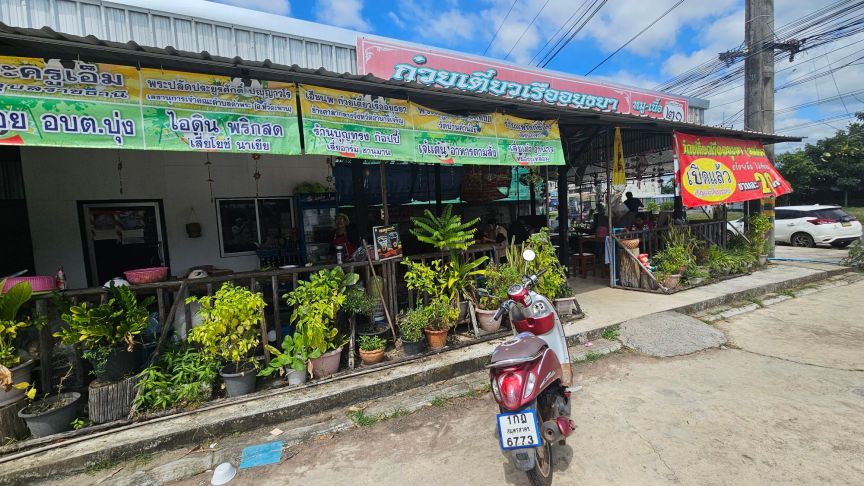
Food is the heartbeat of Thailand. While it’s tempting to stick to the comfort of “Farang” food, true integration happens at the street stall. Learning to appreciate the balance of spicy, sour, salty, and sweet is a metaphor for life here. If you can embrace the local palate, you aren’t just eating; you are participating in the community.
If you need to continue foraging for western-style food, then residing in larger cities with restaurants and grocery stores catering to foreign tastes will be required. I live in North East Thailand, in a small town on the Mekong River, called That Phanom. Even here we have a few places that offer western-style food such as burgers, pizza, & dinners with meats, salads & veggies. Our local Lotus grocery store also has some items that satisfy my needs. I have warmed to eating many of the common Thai meals in markets and food stalls. But, I shy away from the exotic staples that are often on offer – especially here in Isaan.
5. The Entertainment Scene: A Balanced View
The “Bar Scene” is a polarizing topic. I’ve observed many retirees get lost in the neon lights, leading to burnout or bitterness. To live a tranquil life, one must view the entertainment scene as a choice, not a lifestyle. Whether you enjoy the occasional nightlife or avoid it entirely, the key is to remain a respectful observer of Thai society, rather than a demanding consumer. It is often places where retirees can get into all kinds of situations, many not wanted.
On this topic, I found that over the years, as one gets older, there is often a migration from the cities with the active bar scene to more tranquil locations in Thailand. The party scene really does have a shelf life – for your sanity or health.
6. Travel and Tourism: Seeing with New Eyes
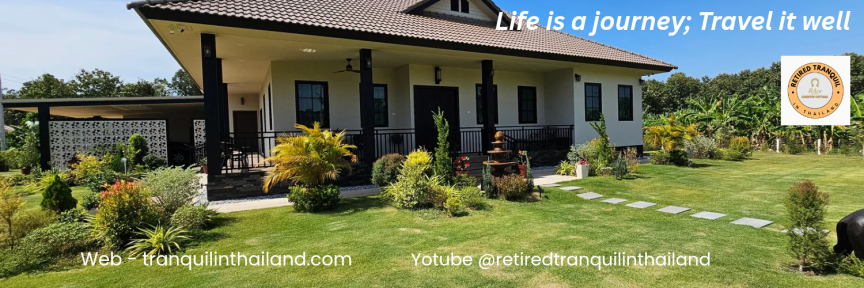
After 12 years, the “tourist” itch has faded, replaced by a deep appreciation for the quiet corners of the Kingdom, where we have built our country cottage in the countryside of That Phanom, 3 km from town. Transitioning from a tourist to a resident means finding joy in the local temple fair or a quiet rainy afternoon, rather than just the “must-see” landmarks. I enjoy the occasional road trip these days to get away & if a landmark is around, then I will likely visit it.
The Secret to 12 Years of Happiness
Thailand offers a beautiful, tranquil, and vibrant life to those willing to listen more than they speak. We are guests in a culture that is thousands of years old. When we stop comparing “how it’s done back home” to “how it’s done here,” we finally unlock the peace that brought us to Thailand in the first place. If I could offer one observation on life in Thailand to those just starting their journey, it is this: Comparison is the thief of joy.
A Sense of Mattering
Another key aspect for anyone considering Thailand, retirement happiness can be affected by your sense of mattering (that is), feeling valued by others and having value to add to the world, which is a critical and often overlooked aspect. “Mattering” works best in combination with other factors:
- Health: a top factor for many retirees
- Financial Stability: a necessary foundation
- Flexibility: being able to structure your own day
- Staying Social: nuturing relationships and building new ones.
- Filling the void: Finding new ways to be needed
Without the sense of purpose of being “needed,” many retirees experience a dip in well-being. This concept is often expressed by the psychology of mattering (SAID) and consists of four main components:
- Signicance: feeling seen, noticed and essential
- Appreciated: feeling valued for your contributions
- Invested in: feeling supported and cared for
- Depend on: being needed by others
Why it Matters
Neglecting the sense of purpose can lead to profound emotional loss. When people feel they no longer matter, often because they have lost their 9-5 work structure and social connections in retirement, they can suffer a variety of negative feelings (such as depression, anxiety, feeling useless or worthless). I have witnessed such an impact in my time as Honorary Consul in Chiang Mai. It is worth keeping in mind to shift focus from pure retirement leisure to having purposeful activities. Hopefully, you find these ideas are worth considering when contemplating a move to retire in Thailand.
Here’s to the Thailand Journey
After my first 12 years here, it’s onto the next 12 years (with any luck) of learning, adapting, and living tranquilly. Enjoy your Thailand journey.
Engagement & Share your Feedback:
“What was the one ‘habit’ from home you had the hardest time letting go of?”
 Retirement Reimagined: Thailand; My uniquely travelled path