
The happy “Songkran festive” period finally concluded & normal daily life has returned – no more water throwing or loud parties. As a reminder, the following pictures depict where we are situated relative to That Phanom town & the Mekong River – we are about 2.5 kilometers from town & the shops – not far and handy to the local hospital, 7/11 & mini big C. There is a Lotus’s Shopping Center in town and many small Thai shops for just about everything one needs.
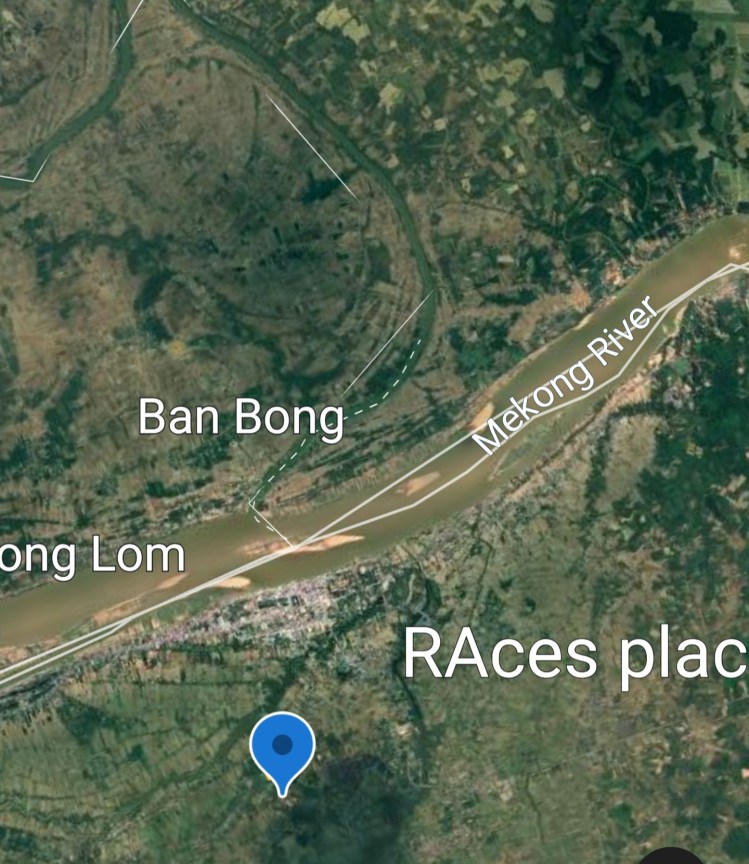
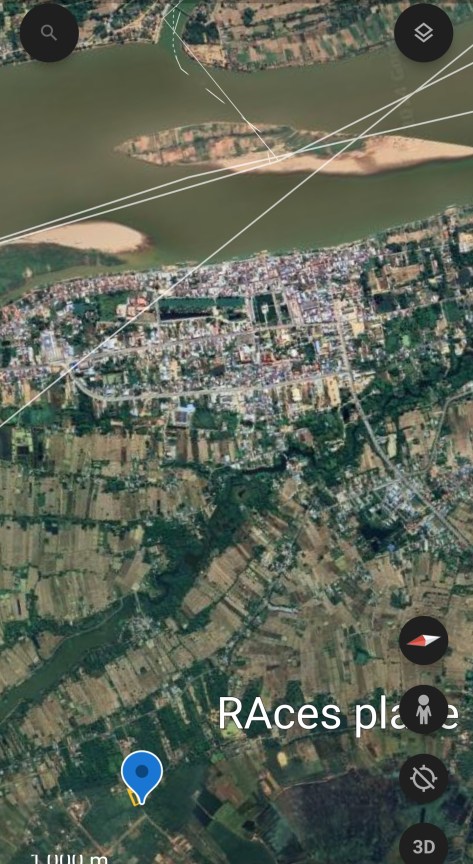
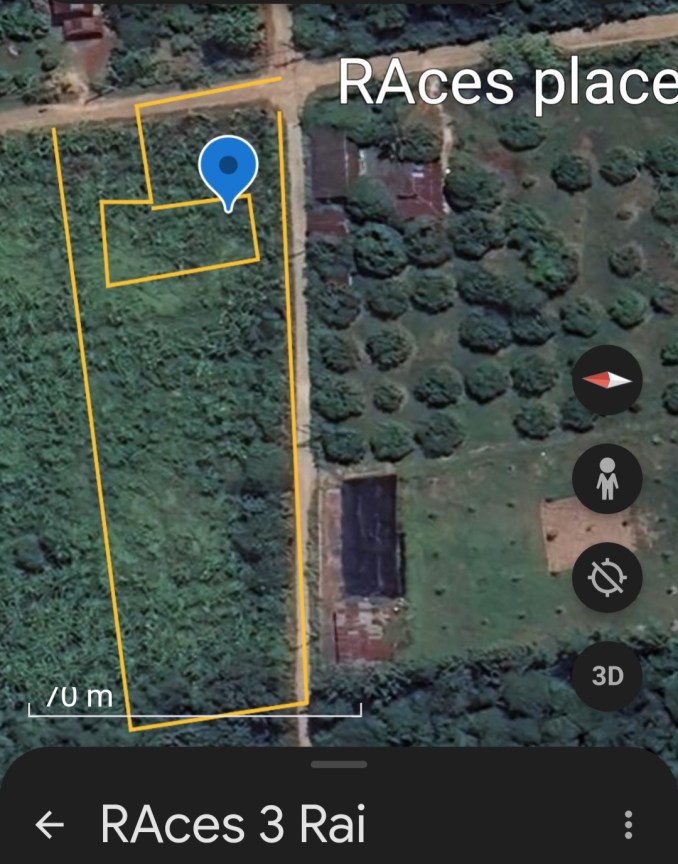
Our property has gone from an over grown banana forest to a cleared building site. It is generally flat land that has only had bush trees and bananas on it; never a rice field, so a solid site to build on.
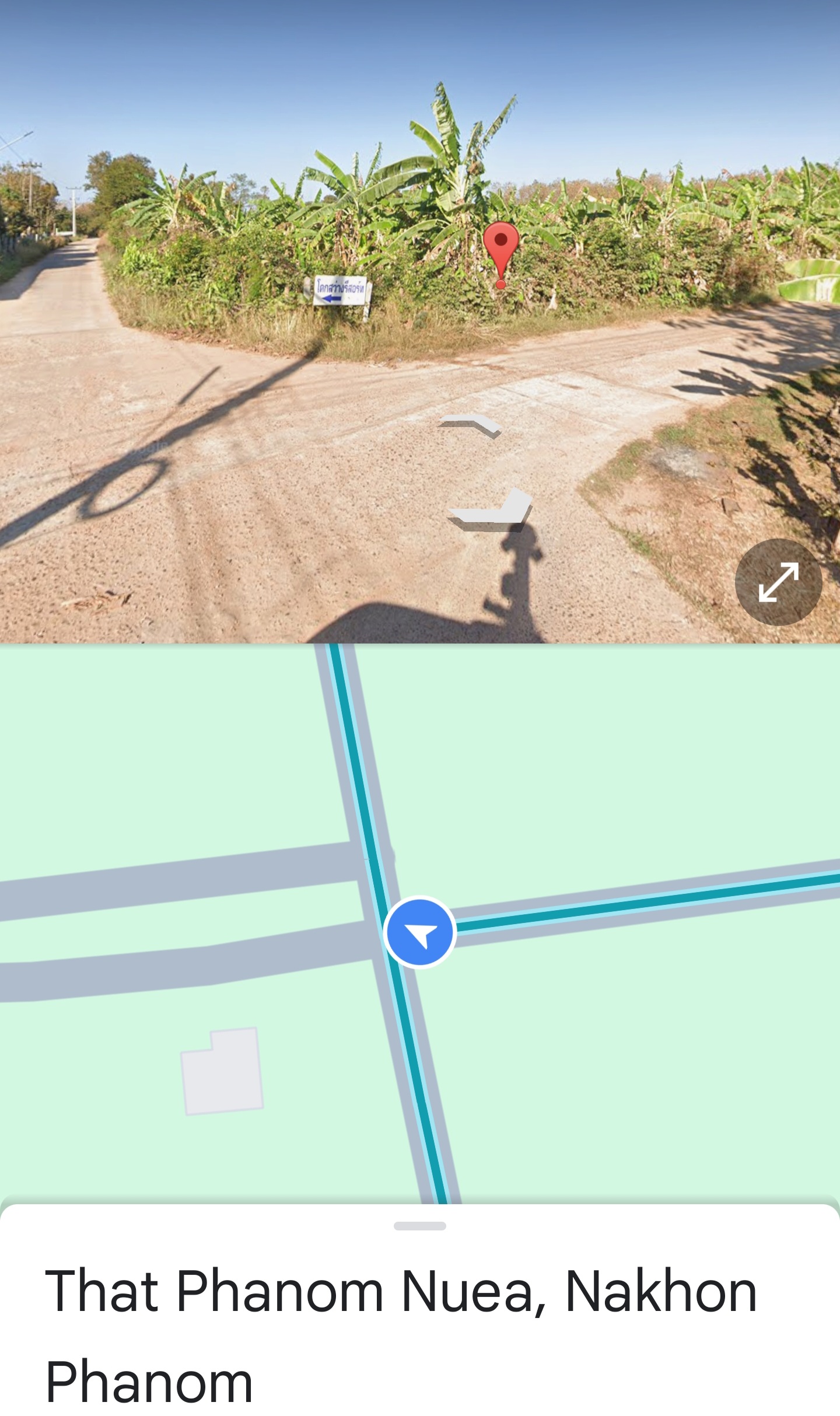
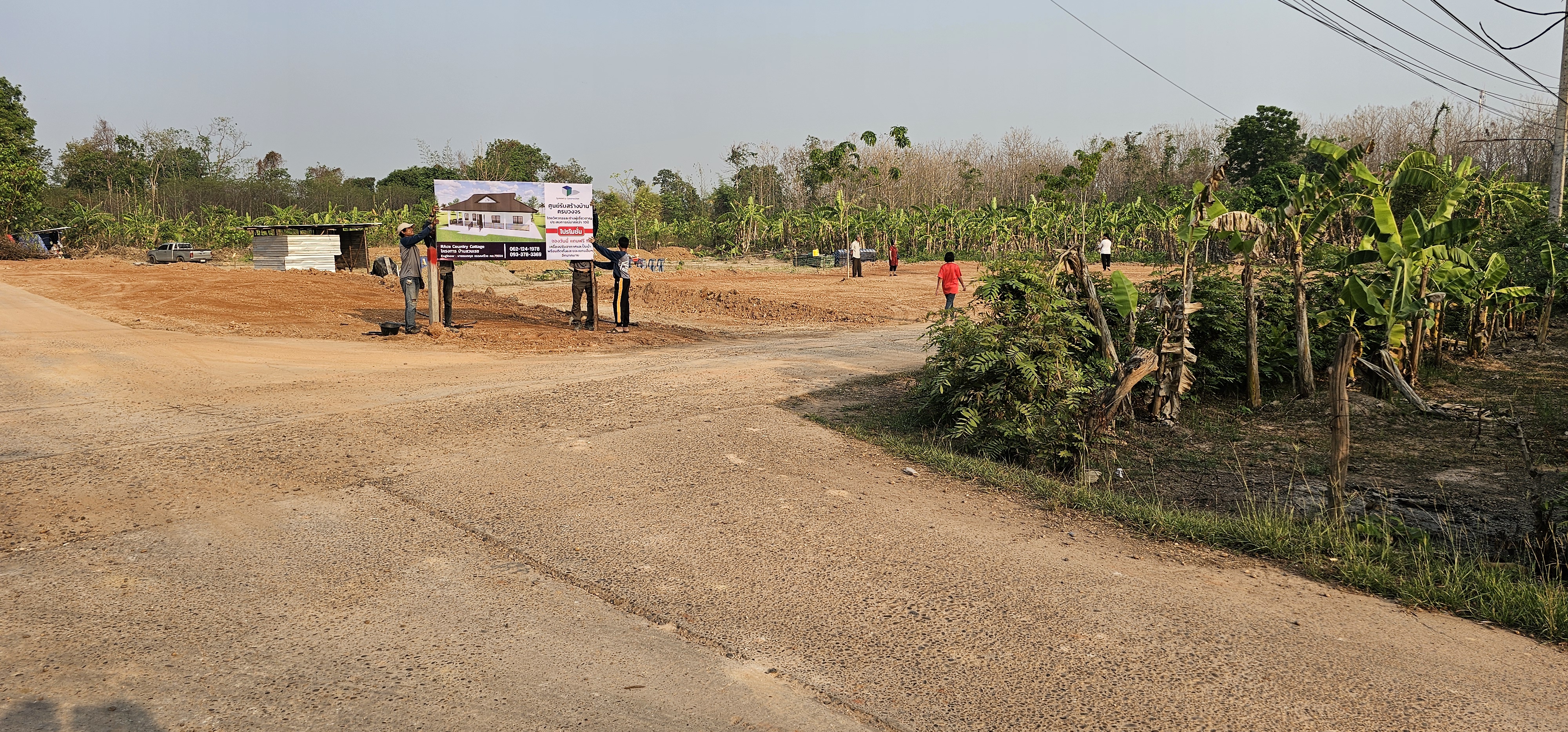
Our house property is 3.6 Rai of which we are occupying an area closer to the front of the site, with road frontage to both the front and side of the house. The road at the side of the house is the highest point so the house will be build to sit about 60 cm above the road level. This will require some landfilling & grading around the house and property once the house is constructed. Our approach is to build the house on the existing solid ground & raise the yard to meet the house elevation – as recommended by our builder. Some of the front and side yards have already been backfilled.
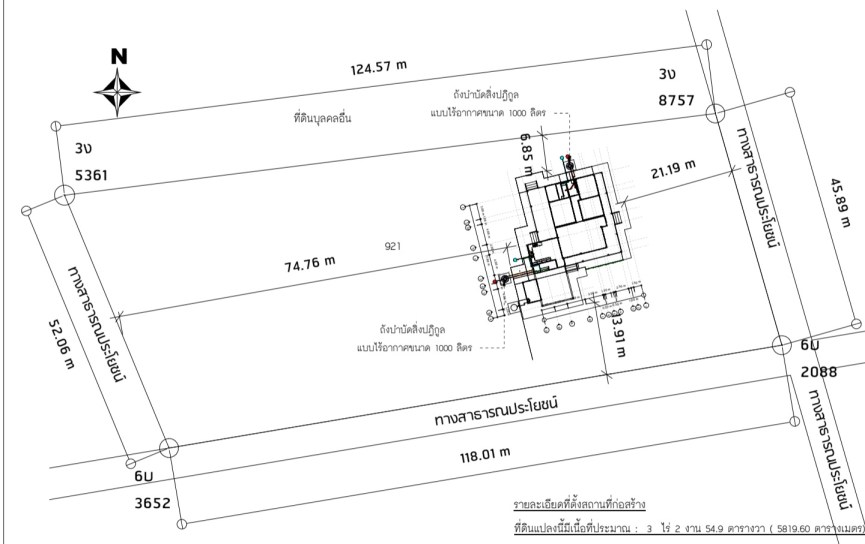
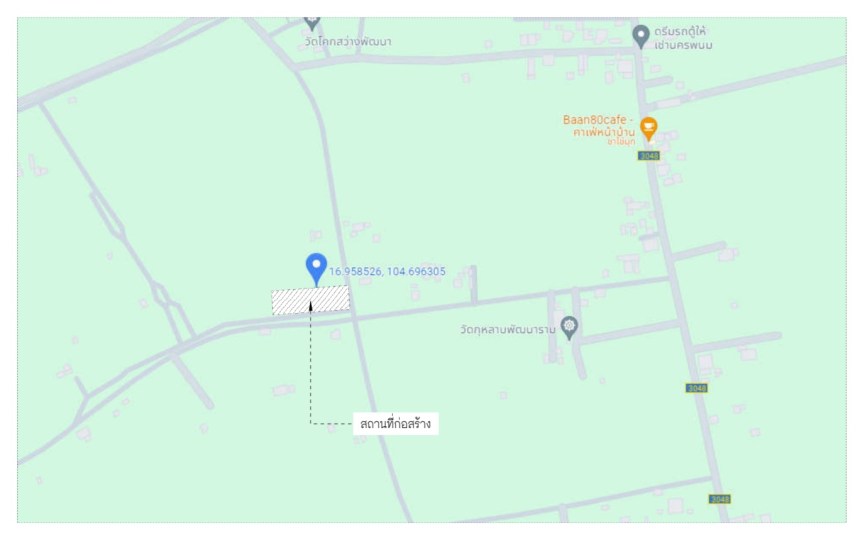
Survey of Footing Columns
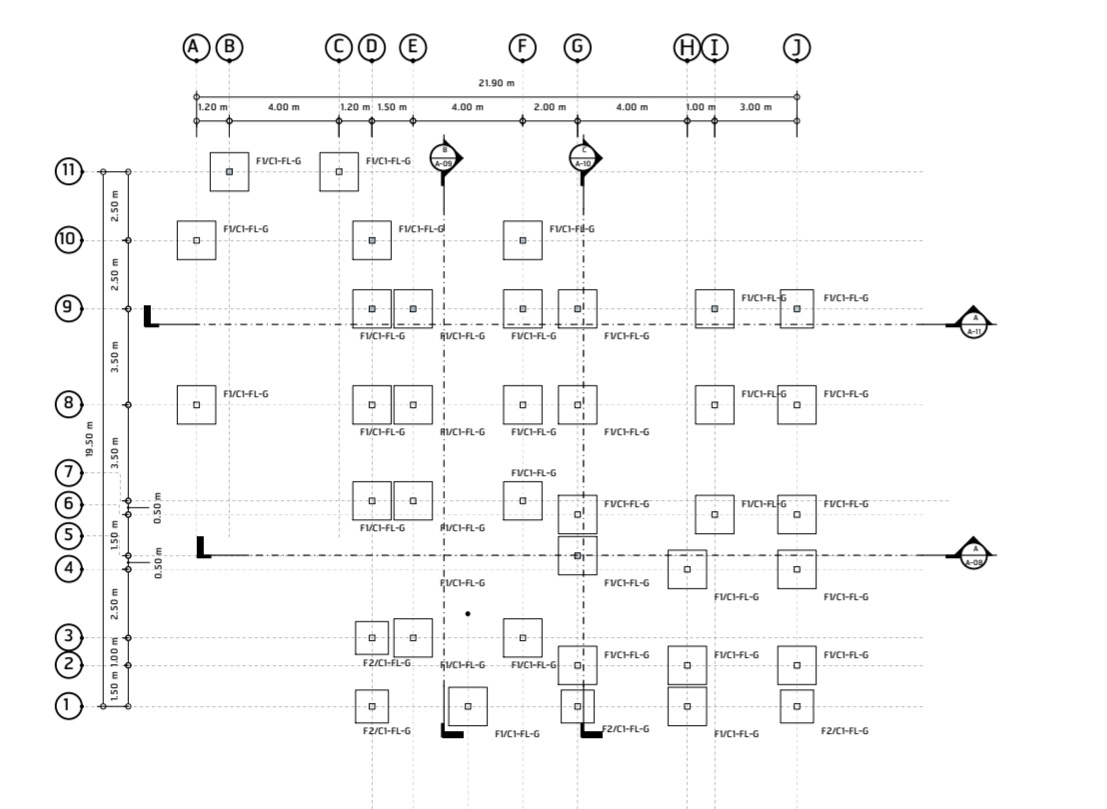
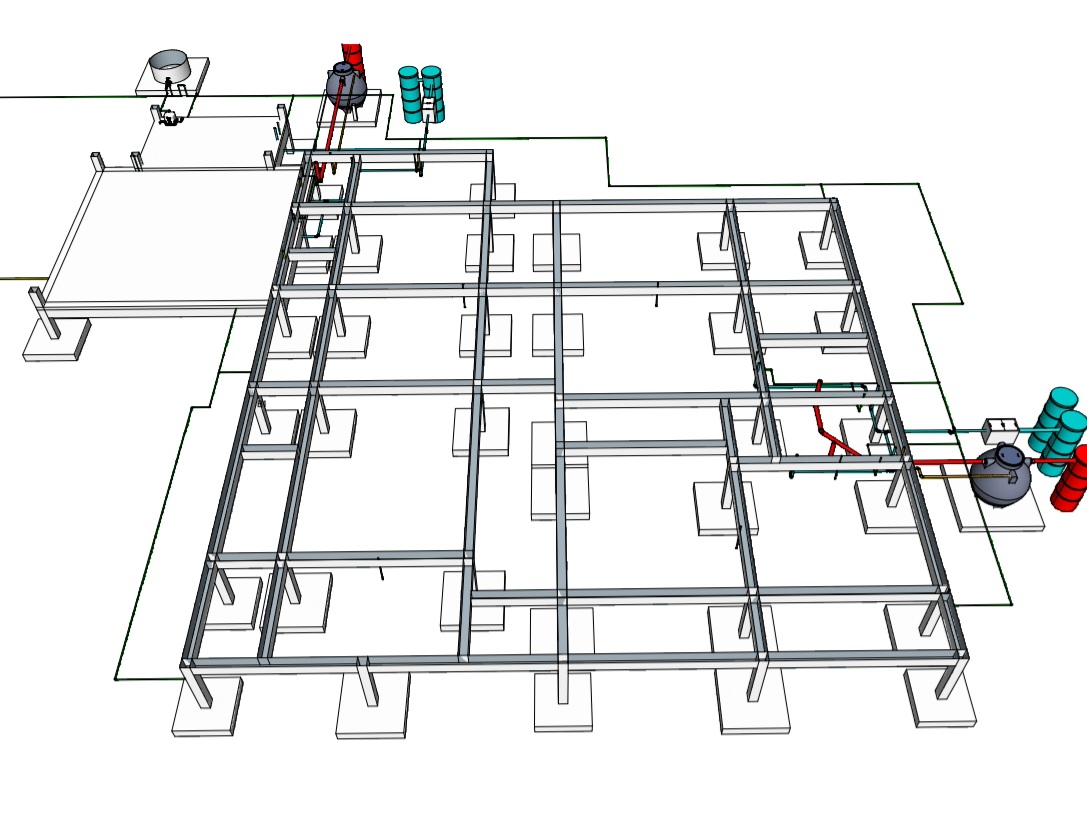
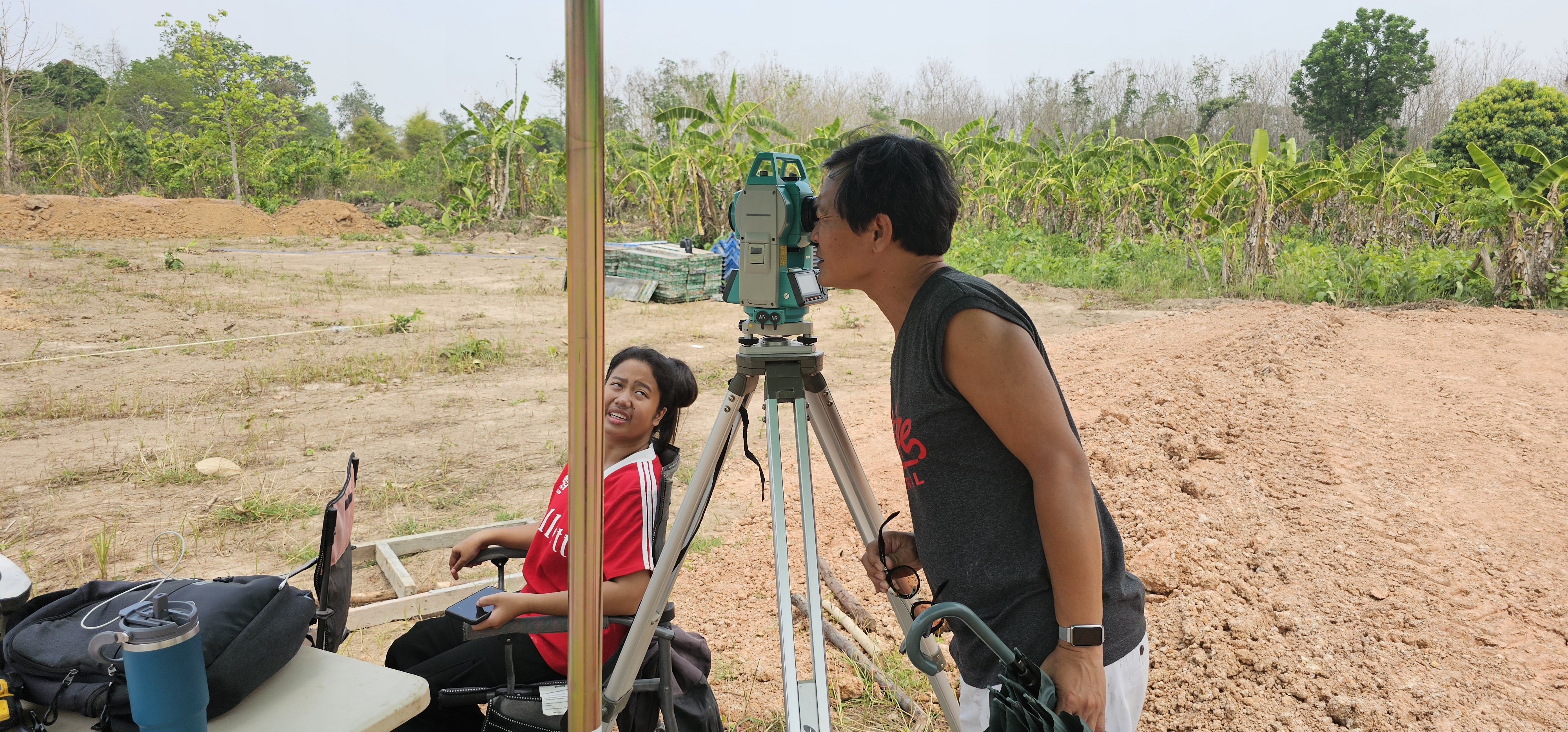
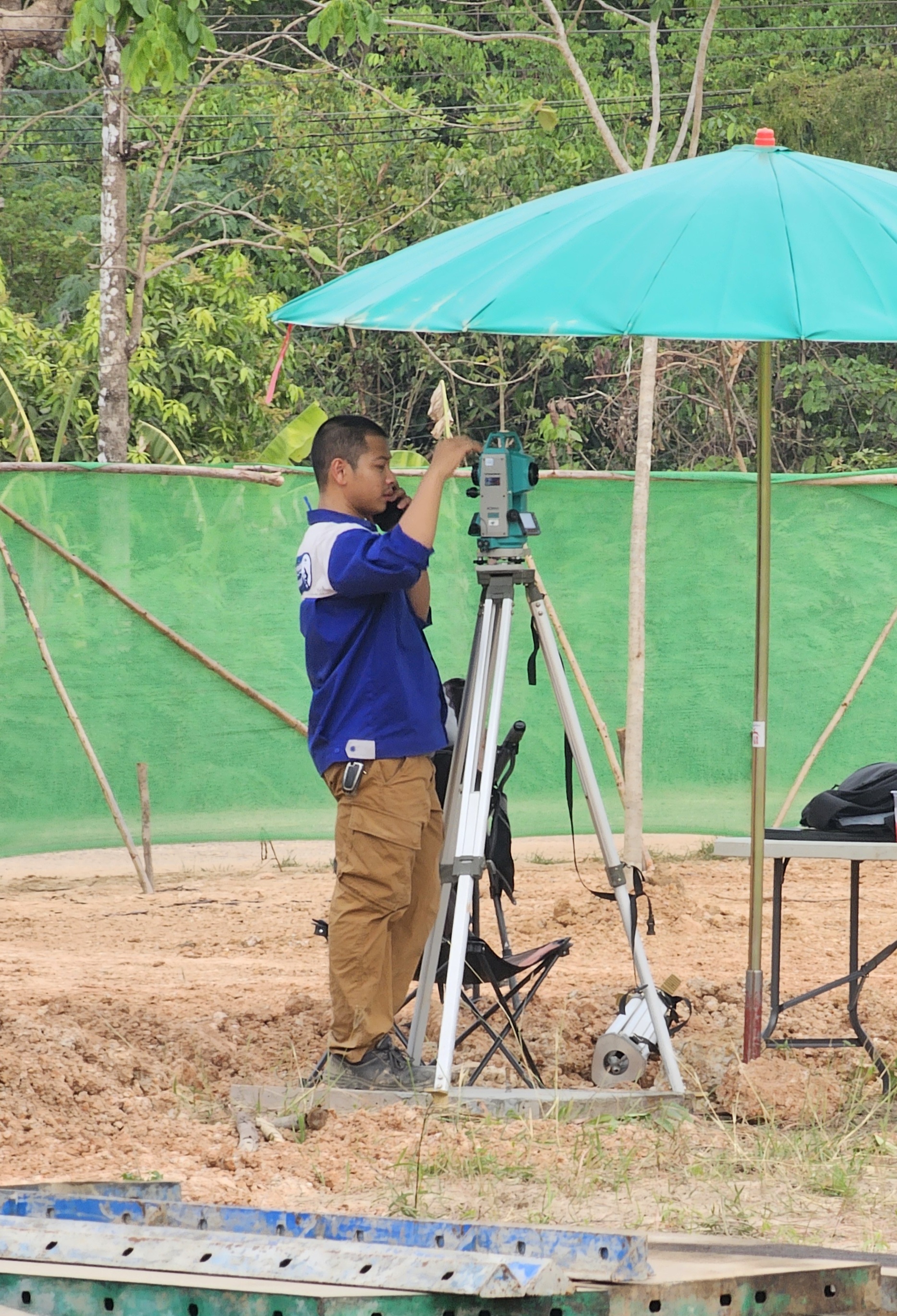
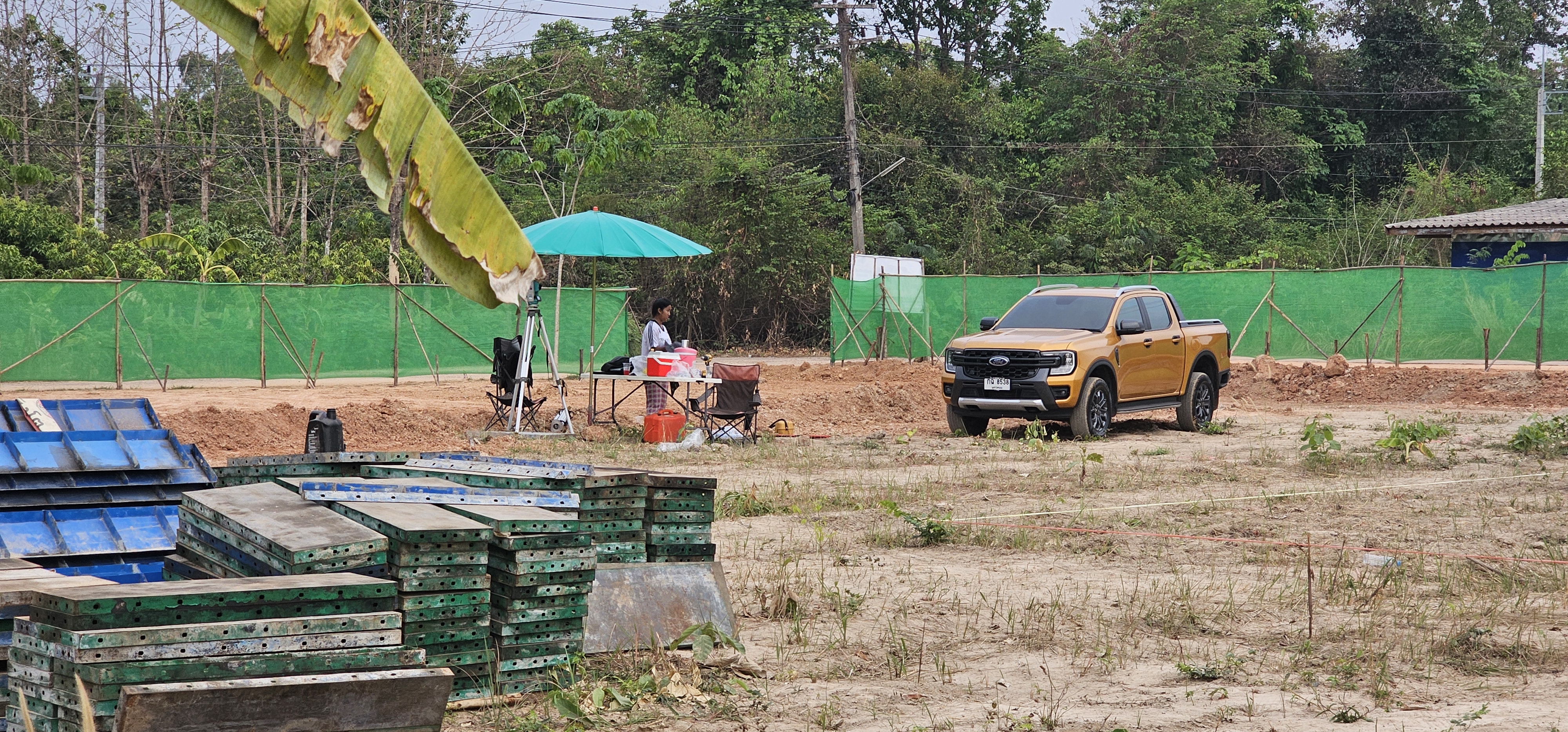
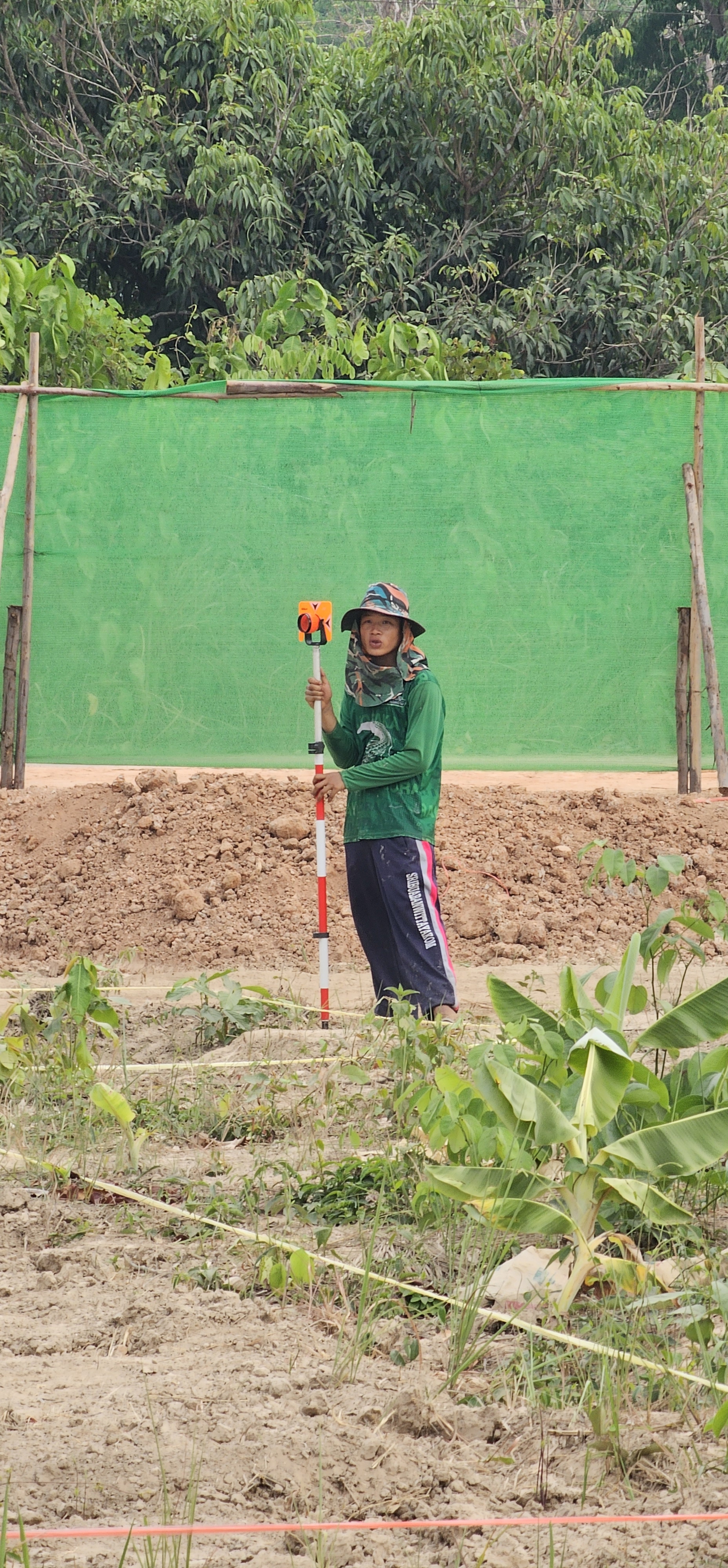
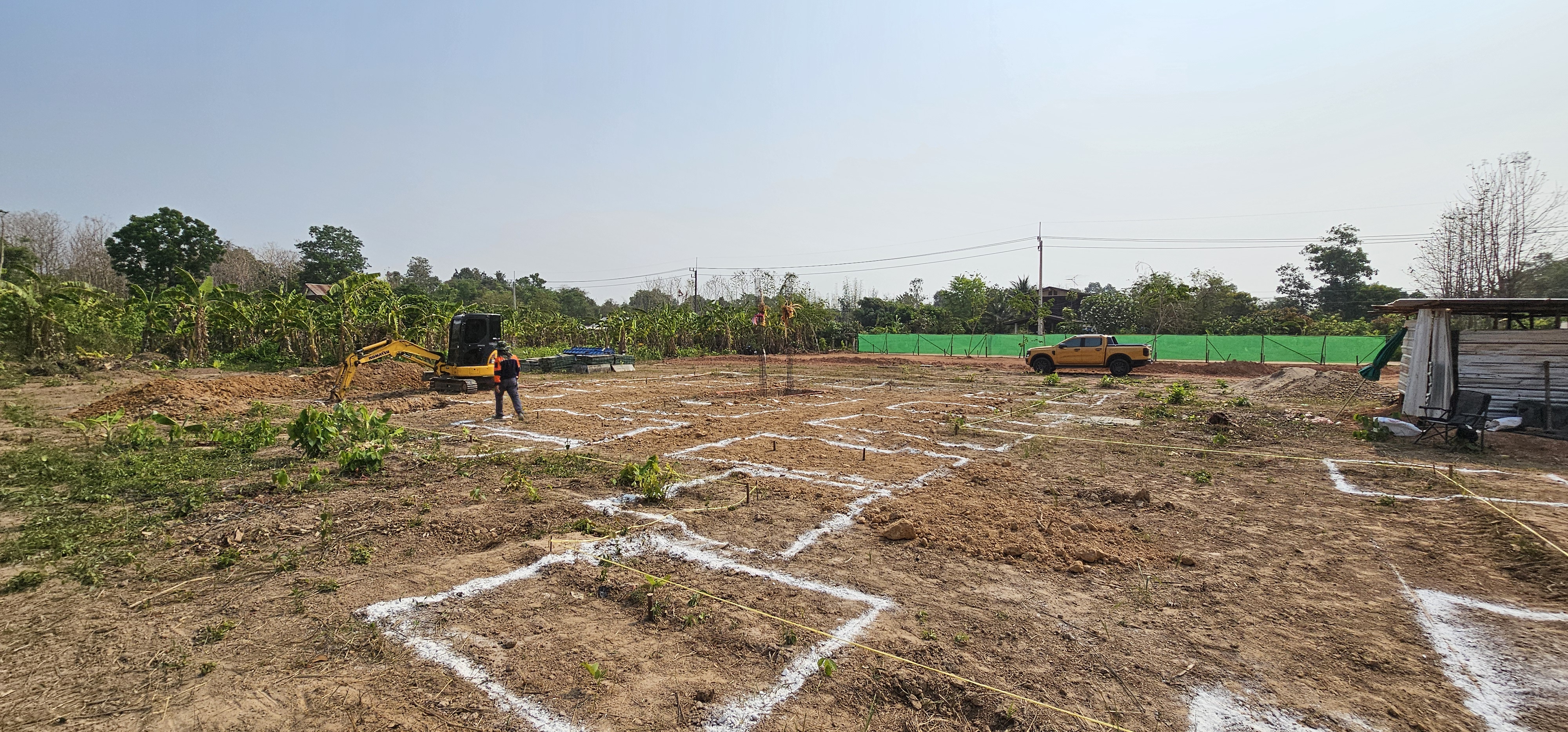
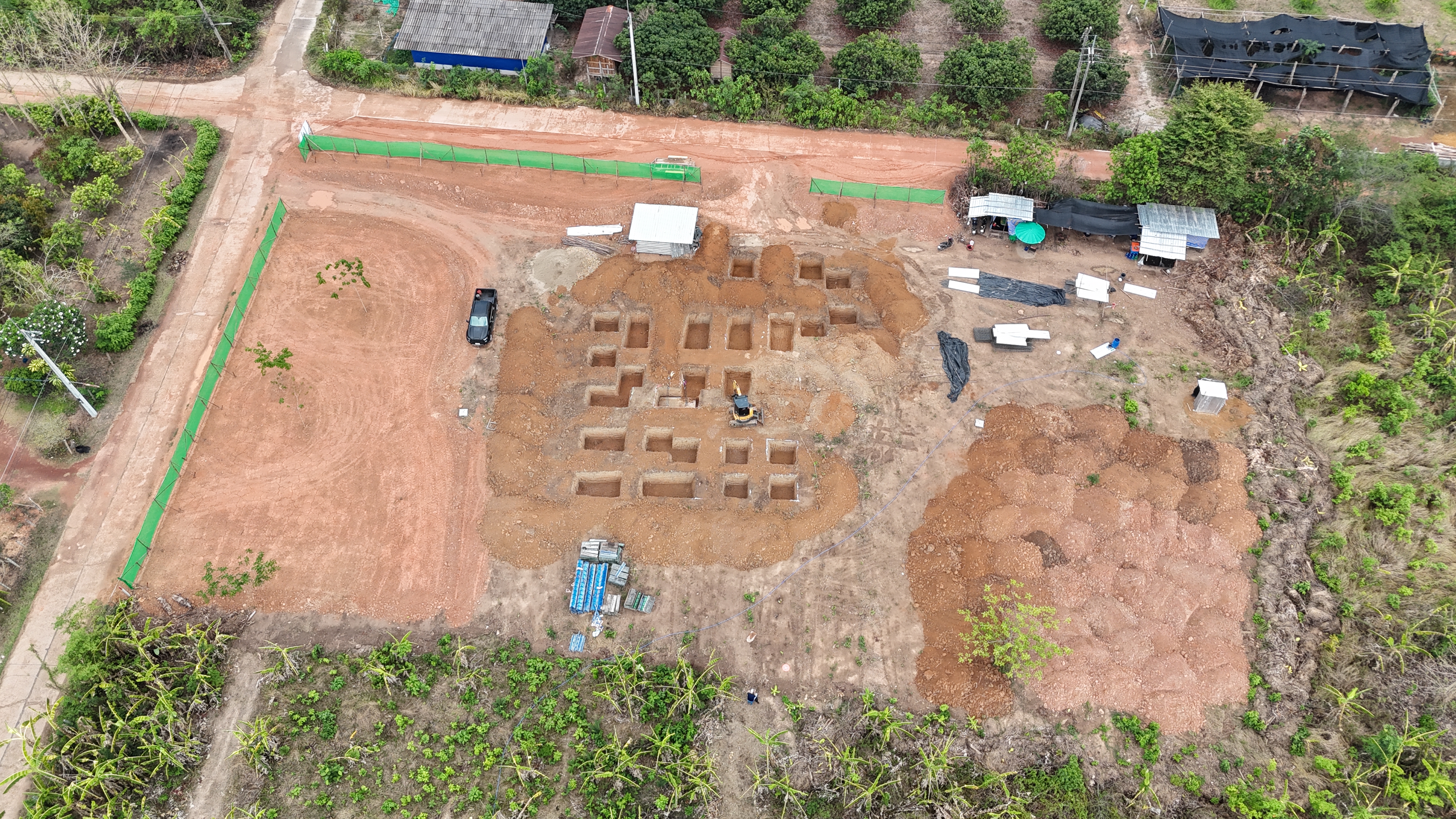
As he promised, our Builder commenced work on the 17 April starting with a site survey to mark out the remaining 37 foundation upright columns (2 already in place). Our builder is a younger guy, a qualified civil engineer, who uses modern equipment & techniques in his construction. Working off the blueprints he developed from our concept design, he set up his survey equipment (a theodolite, 3d scanner, GPS, level, rod & measuring tape) & based on our desired placement of the house on the property he established two baseline coordinates to measure from. These pictures show the required footings to be made.
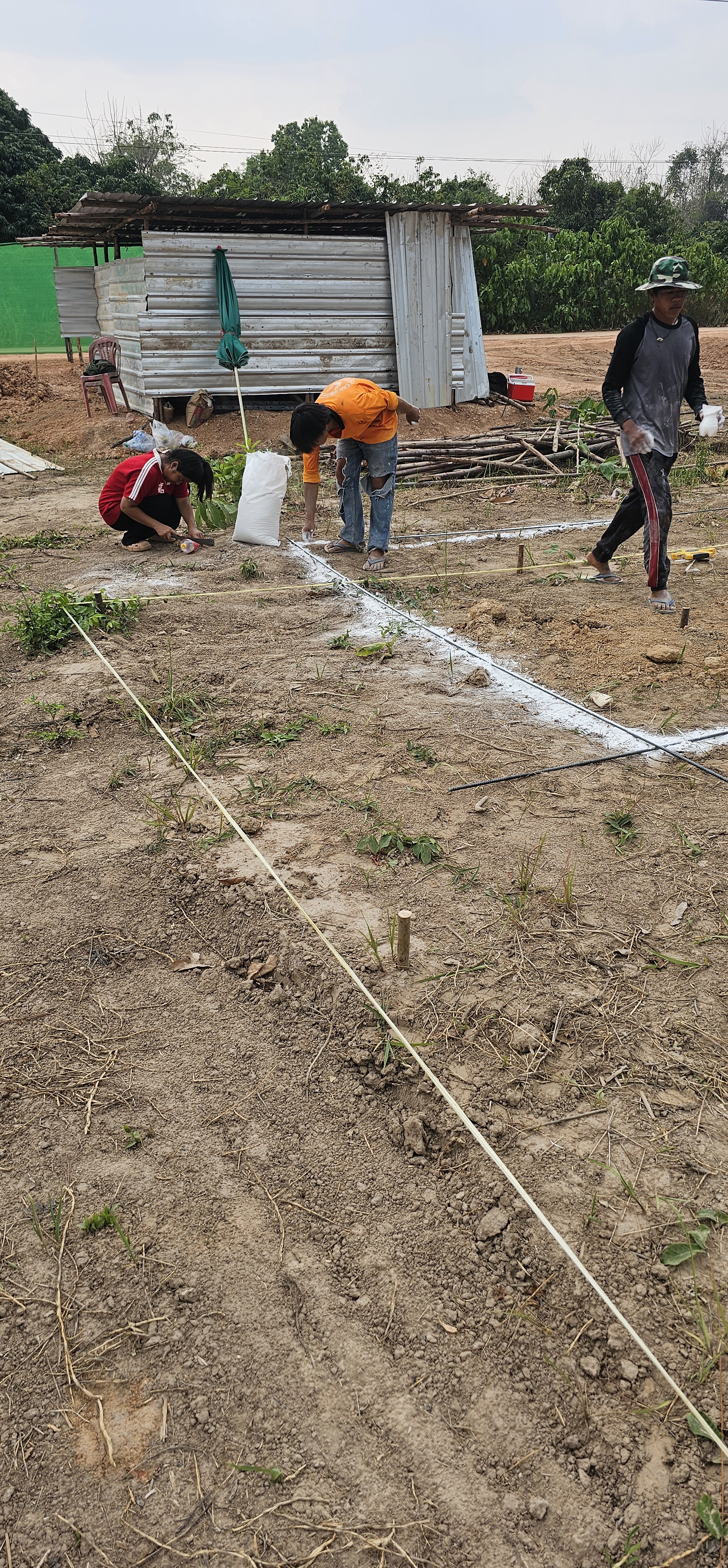
The builder used a few of his young relatives to assist him with this task by hold the measuring rod, moving around the site and to pound in wooden stakes where each column & footing is meant to be placed.
Marking Dig area
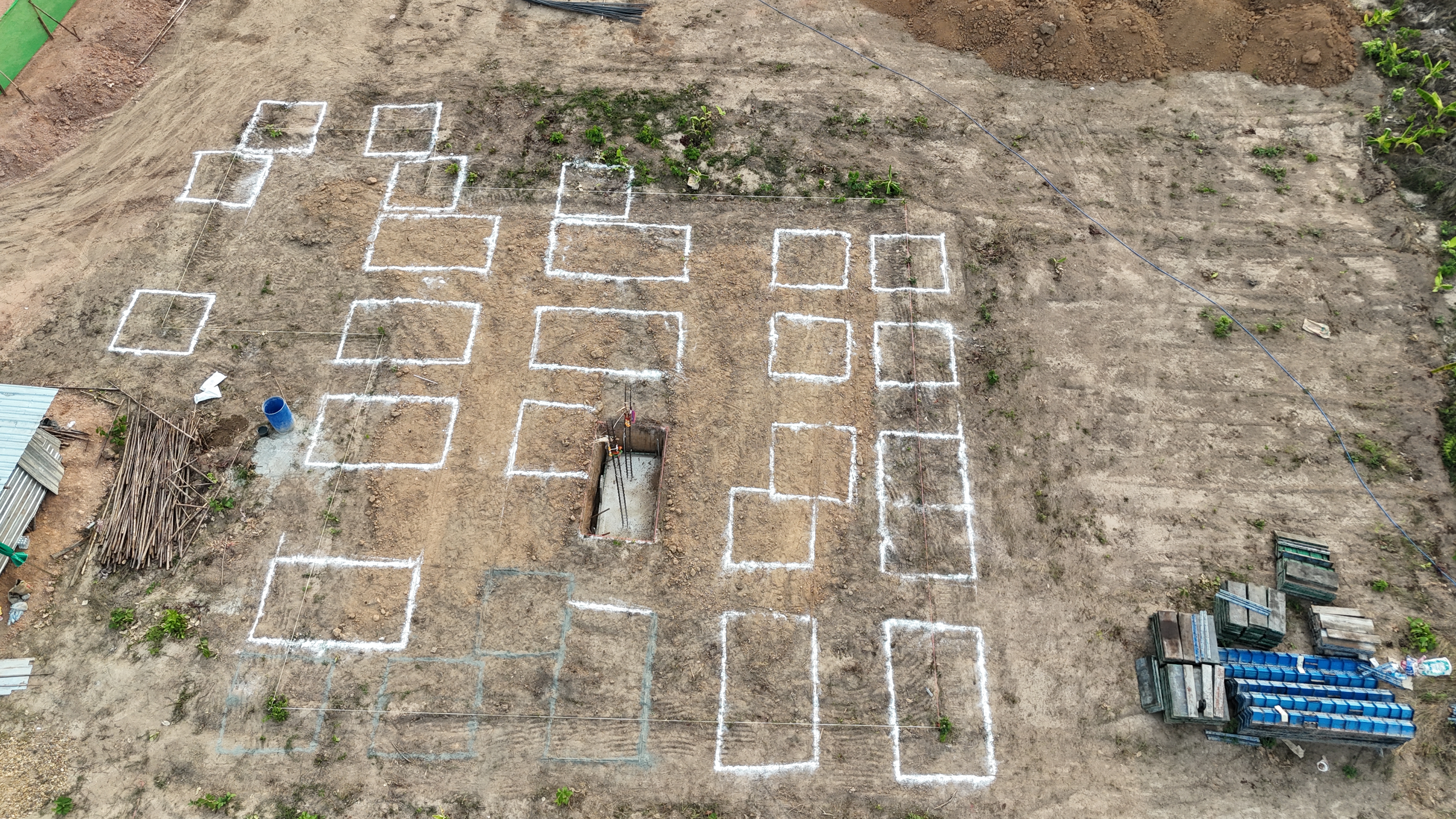
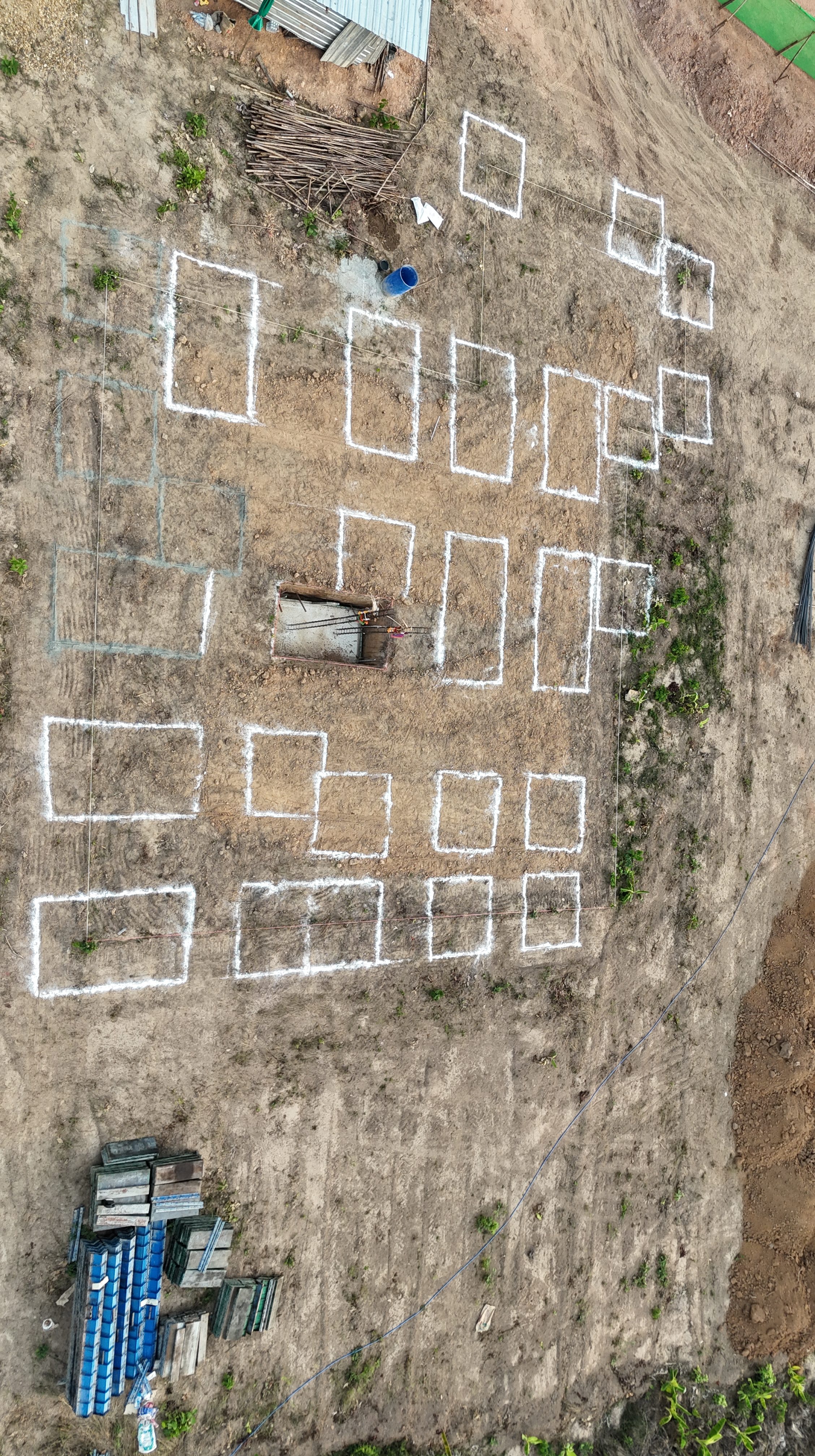
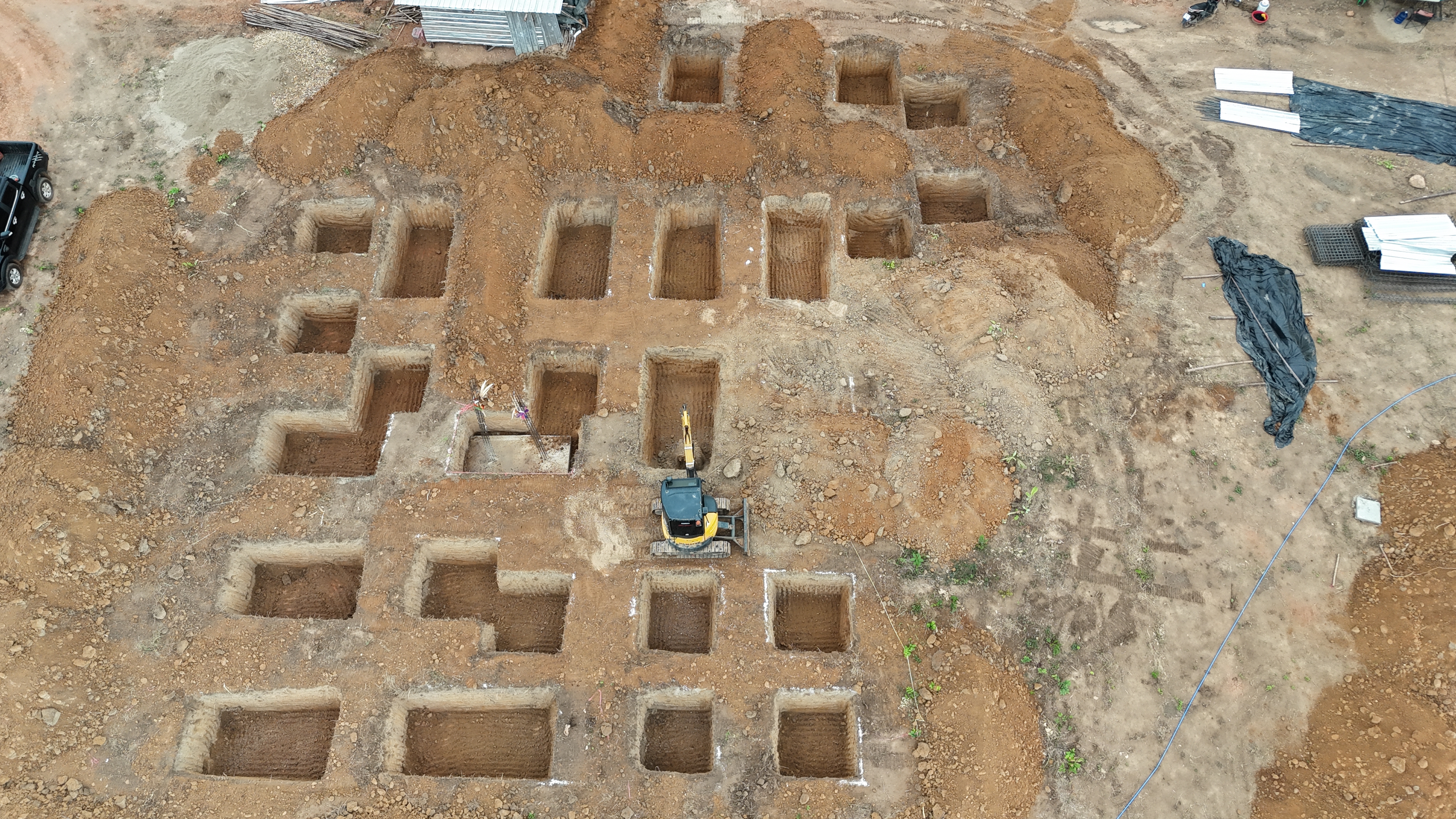
Following this step then each foundation pit is measured and marked out by hand using lime chalk to mark the ground measurements. It leaves a clear white outline of each foundation pit & is easy for the backhoe (Makro) driver to see where he must dig out to the prescribed pit to depth. I am told by the builder the depth is around 1.4 to 1.8 meters deep.
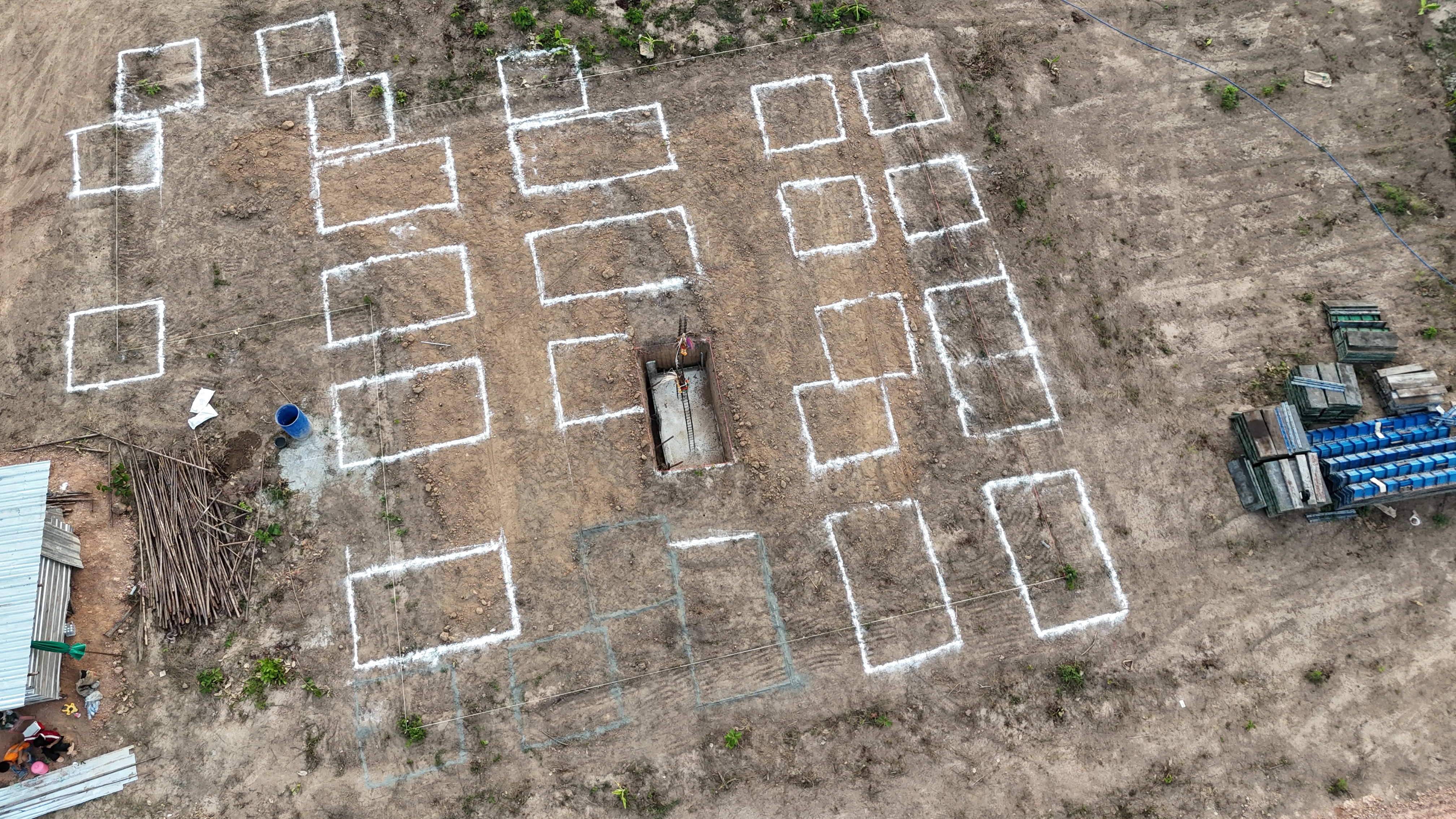
Drone Image of the Site
Digging Footings
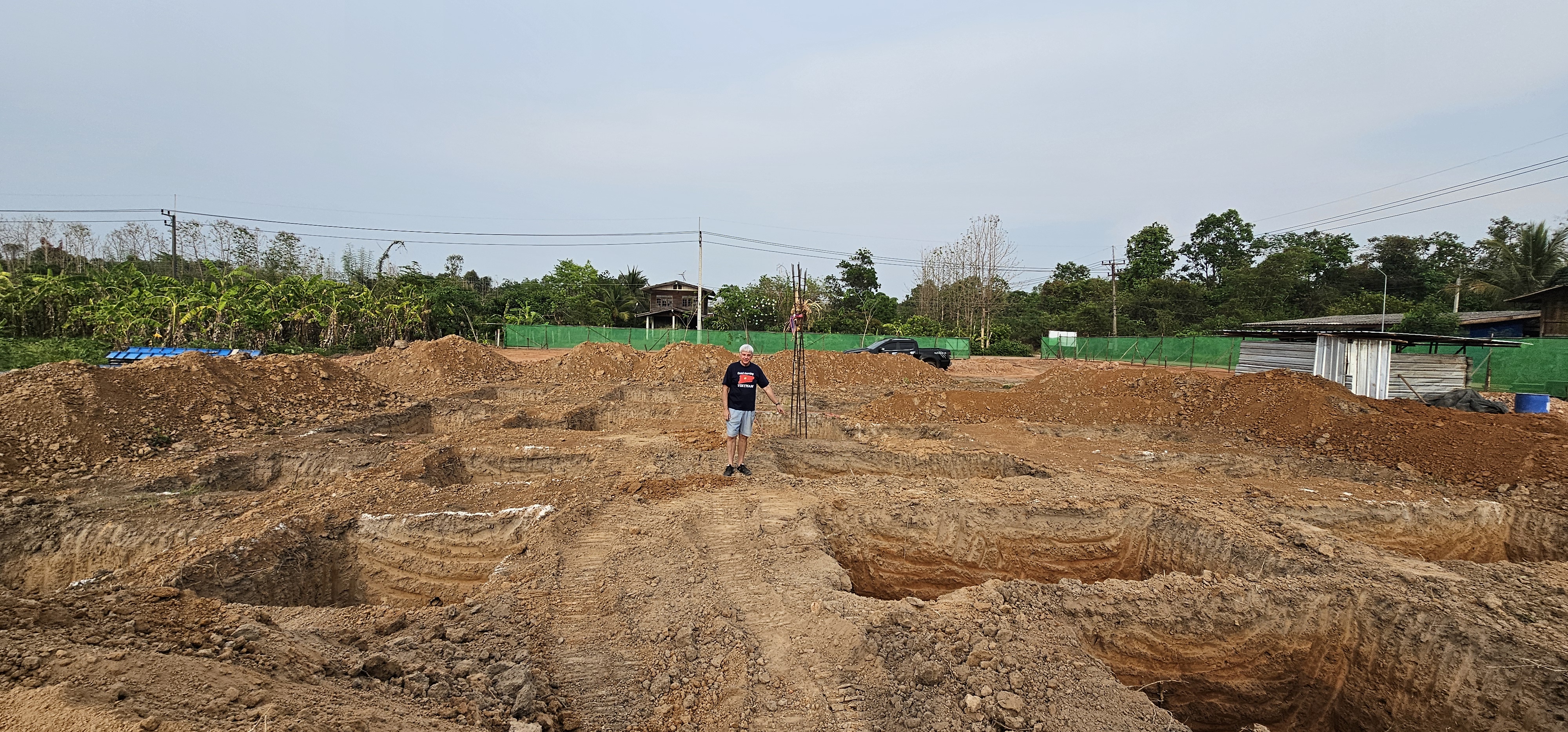
On 18 April a backhoe began work to dig the marked out foundation pits. It was a two day job due to the number of holes to be dug (24) & as it turned out, the hardness of the soil. Some of the pits are larger to accommodate 2 columns. The operator was most skilled and making precise digs creating very square pits. His machine had an enclosed cab with air conditioning and music to work buy. No heat or dust to contend with – new generation operator who clearly had done this before.
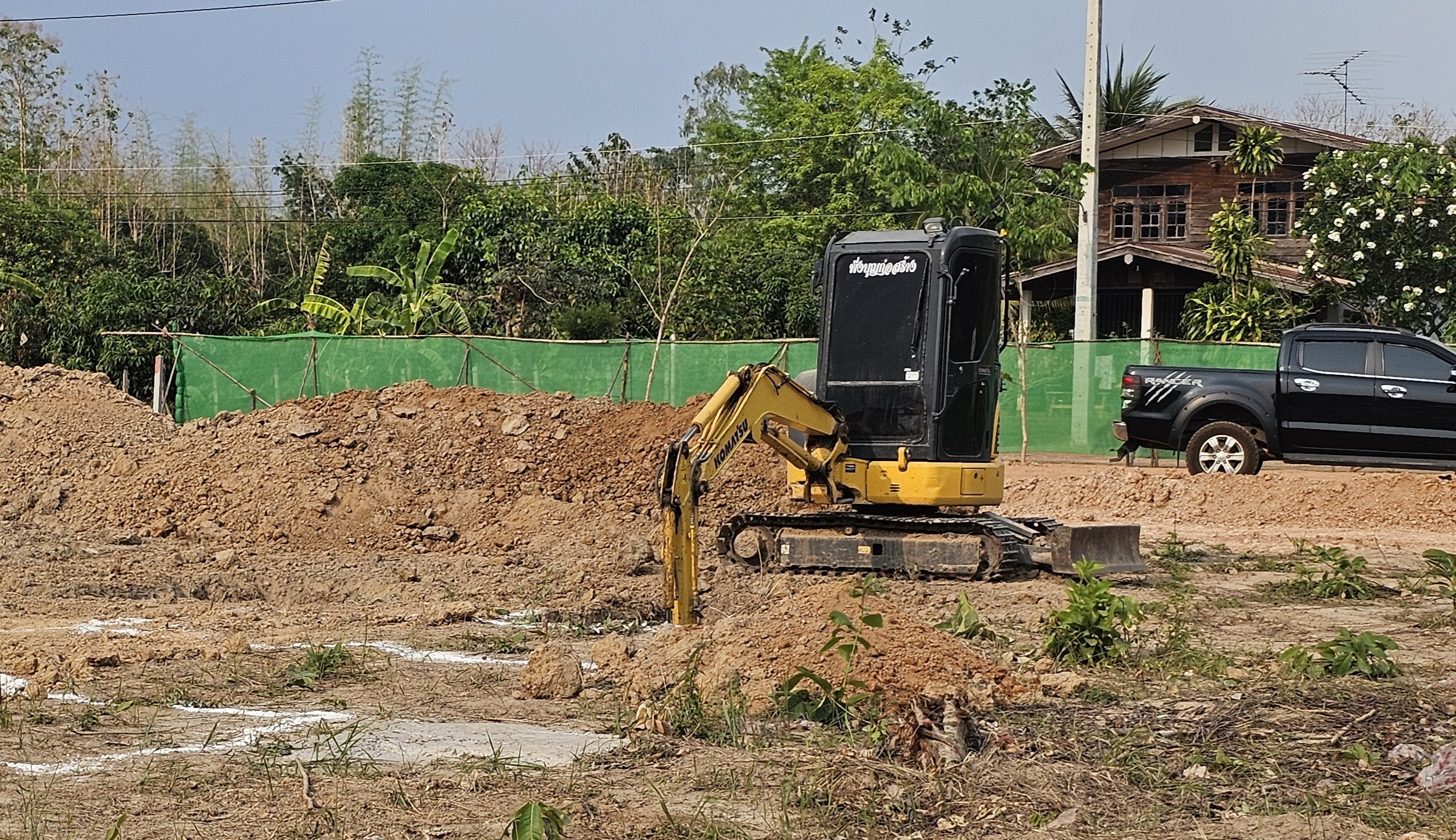
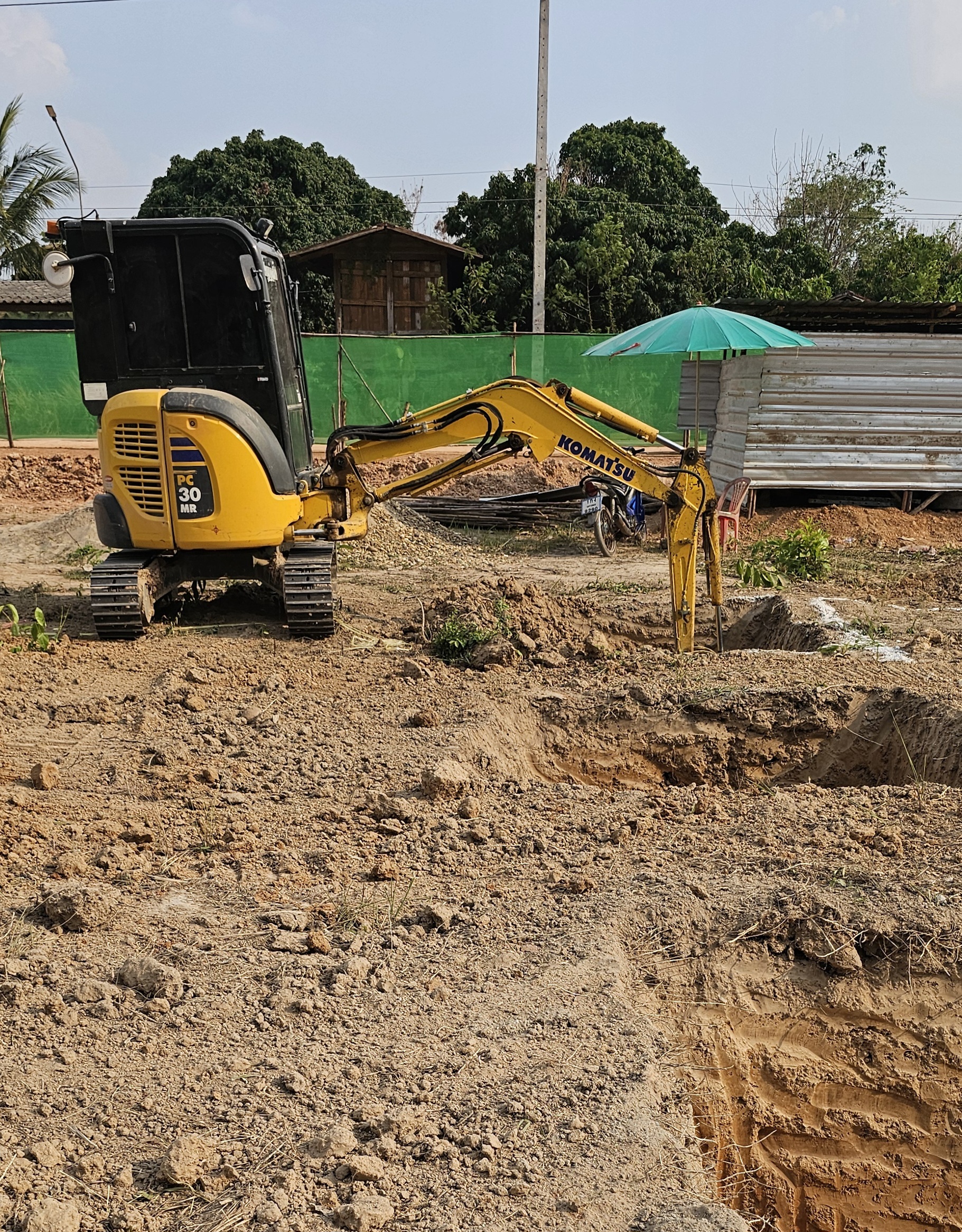
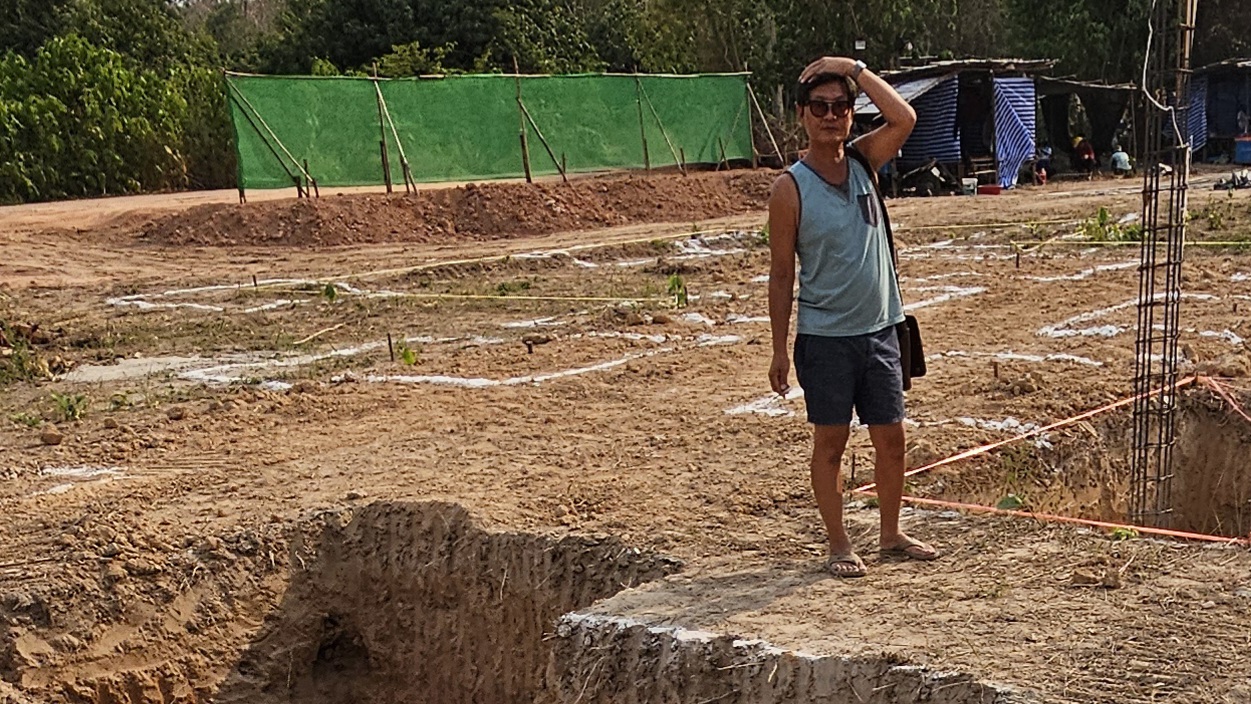
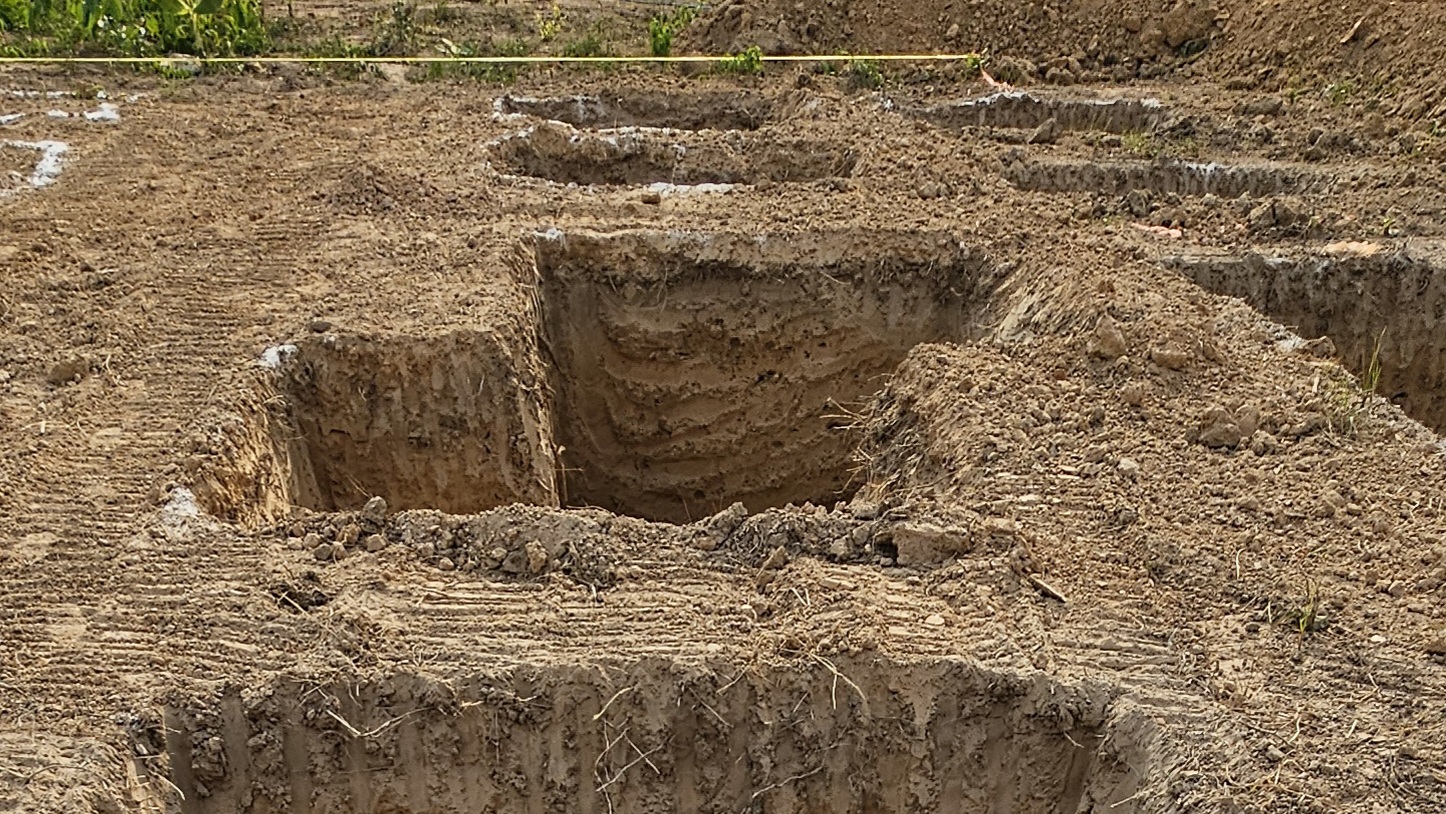
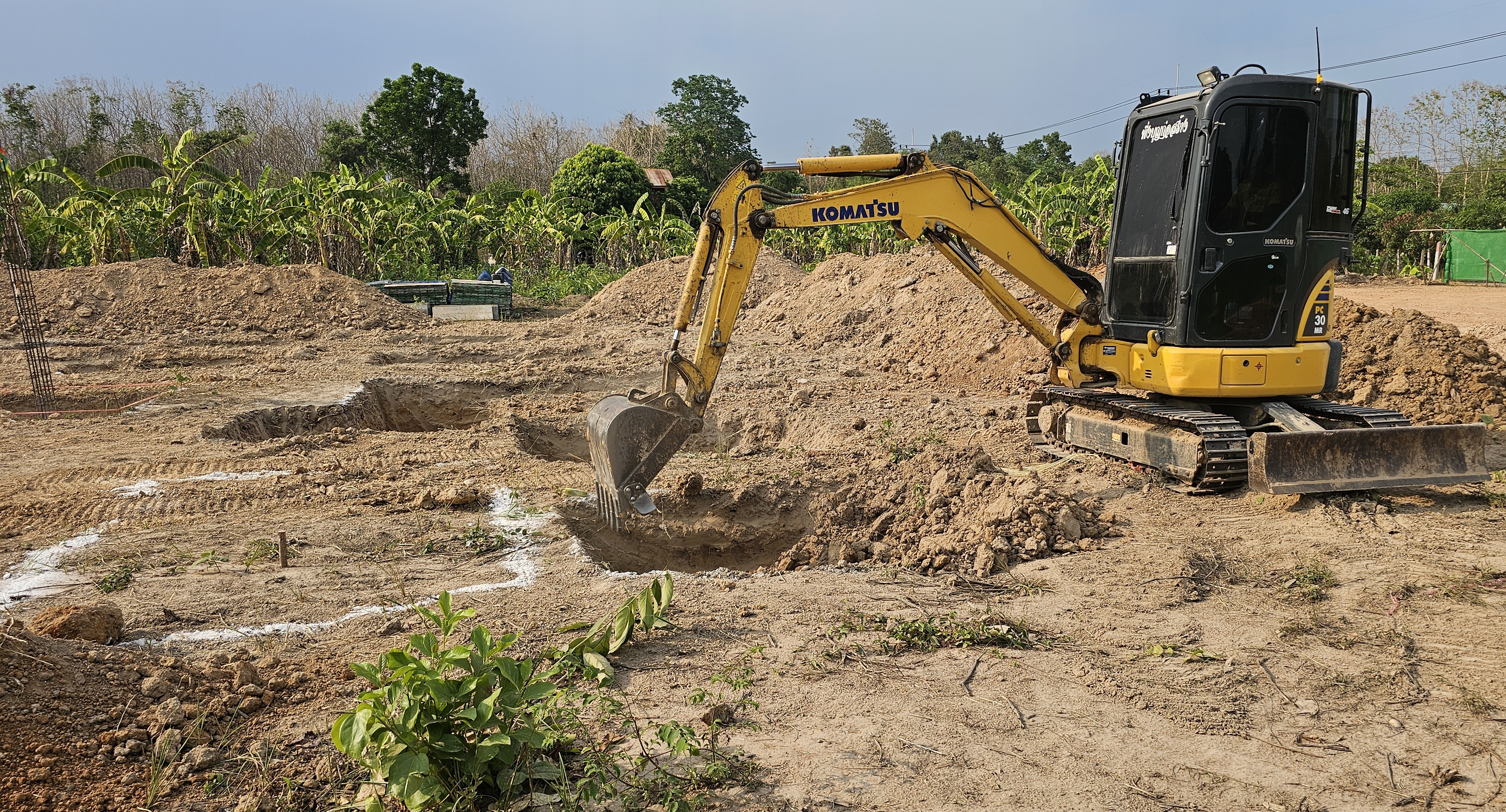
When the foundation digging was complete it looked like the start of the house build was finally going to happen after many months of planning – from concept design, to detailed design to blueprints & our move to the live next to the building site. Feeling some relief it is all underway now.
Steel Works
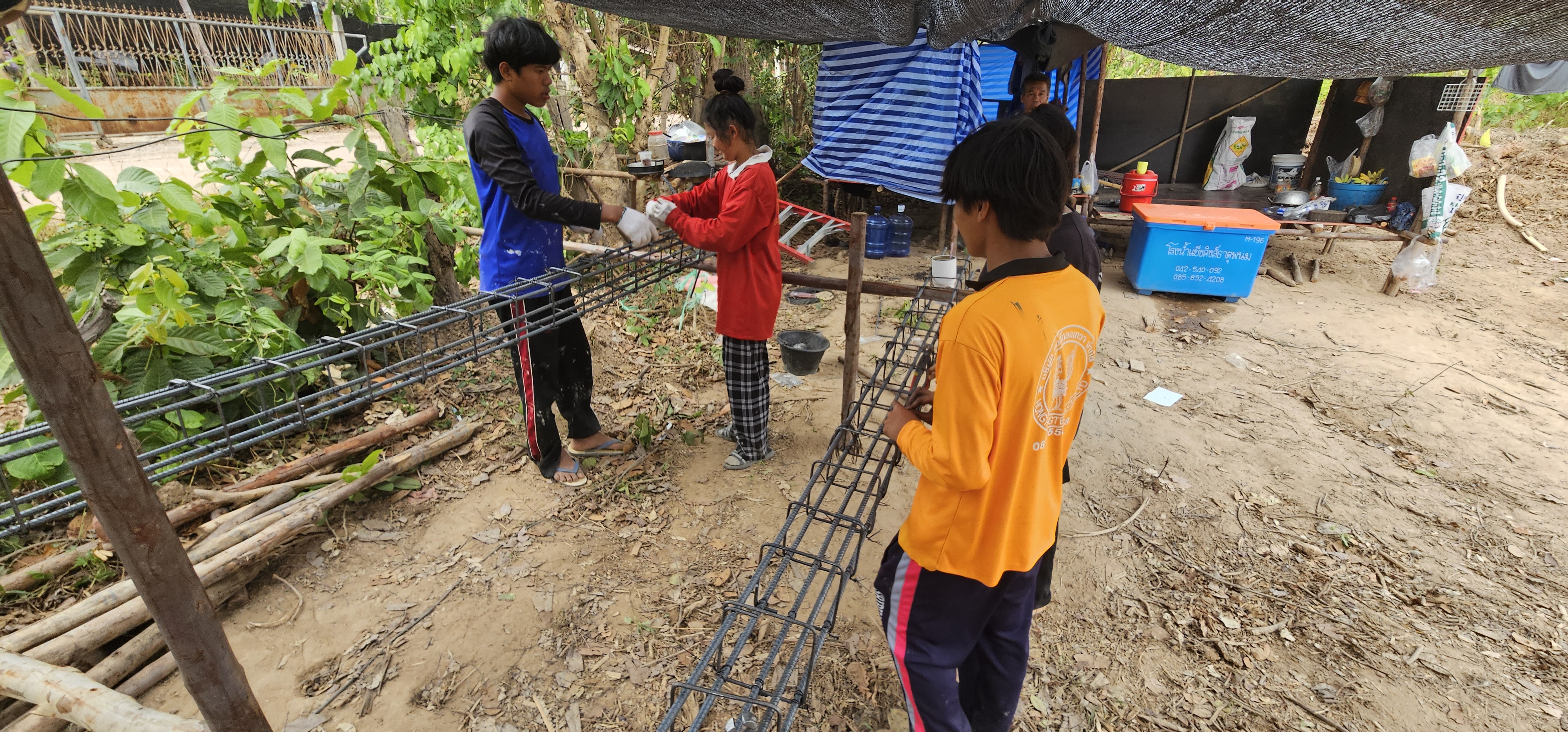
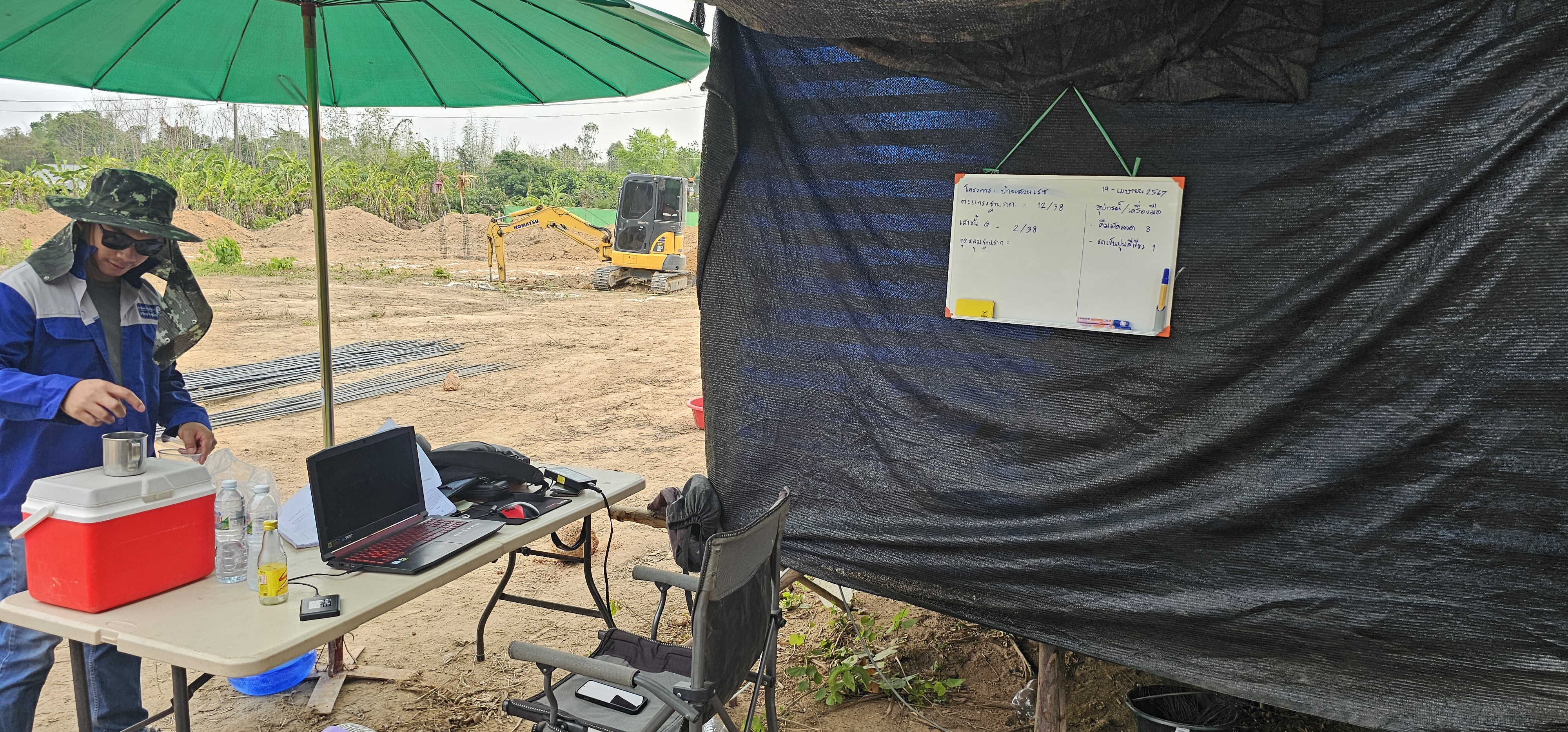
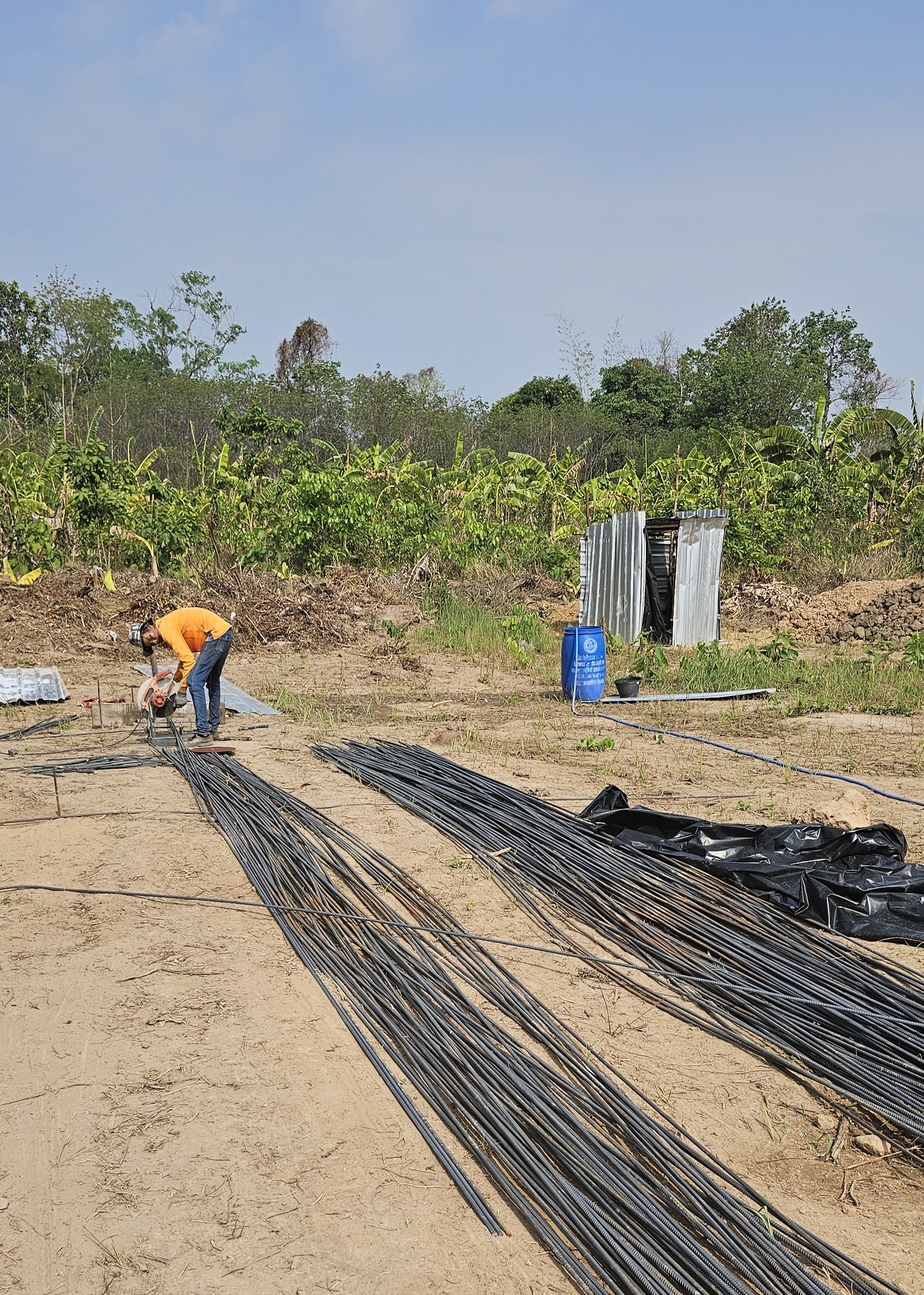
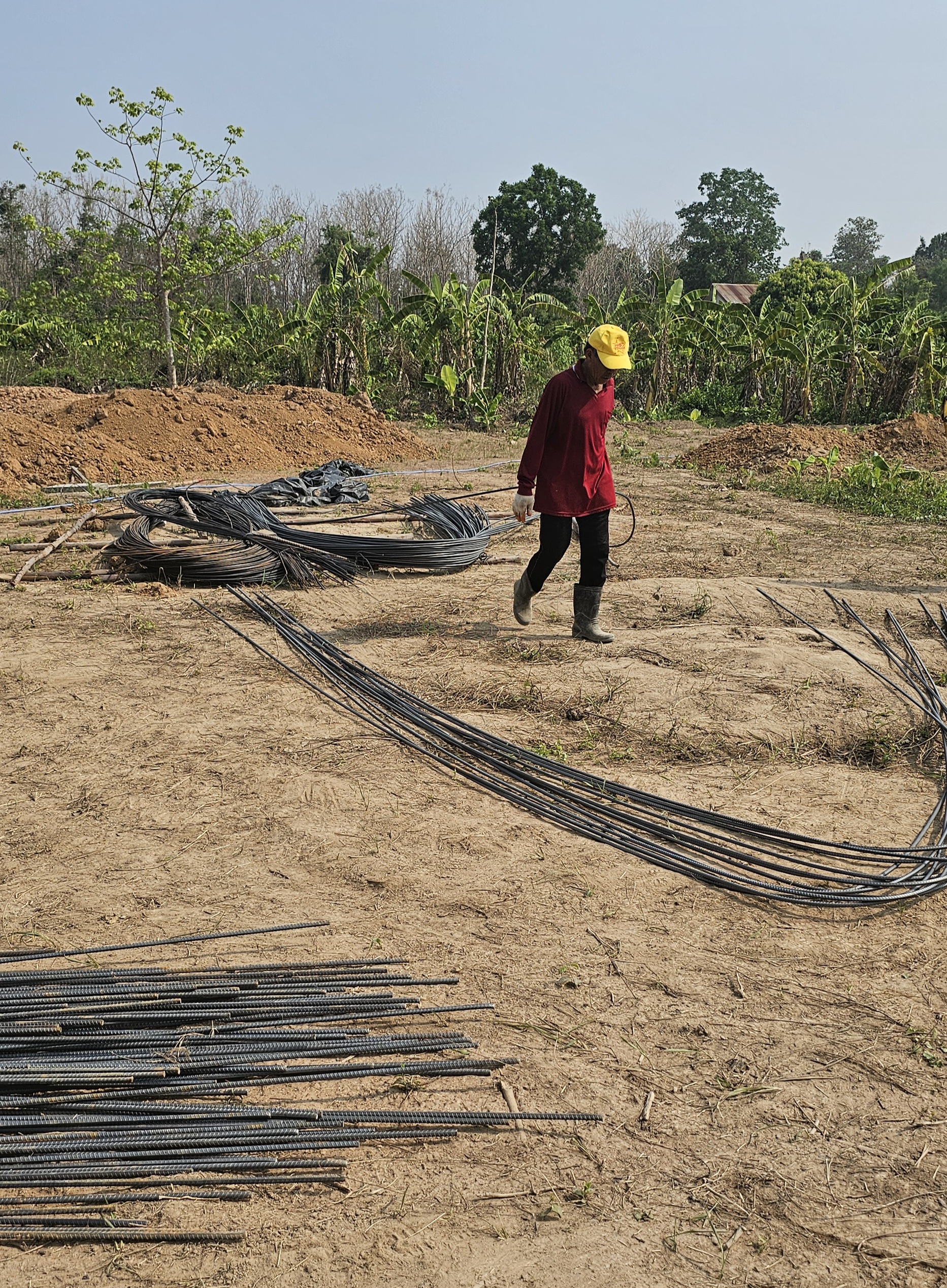
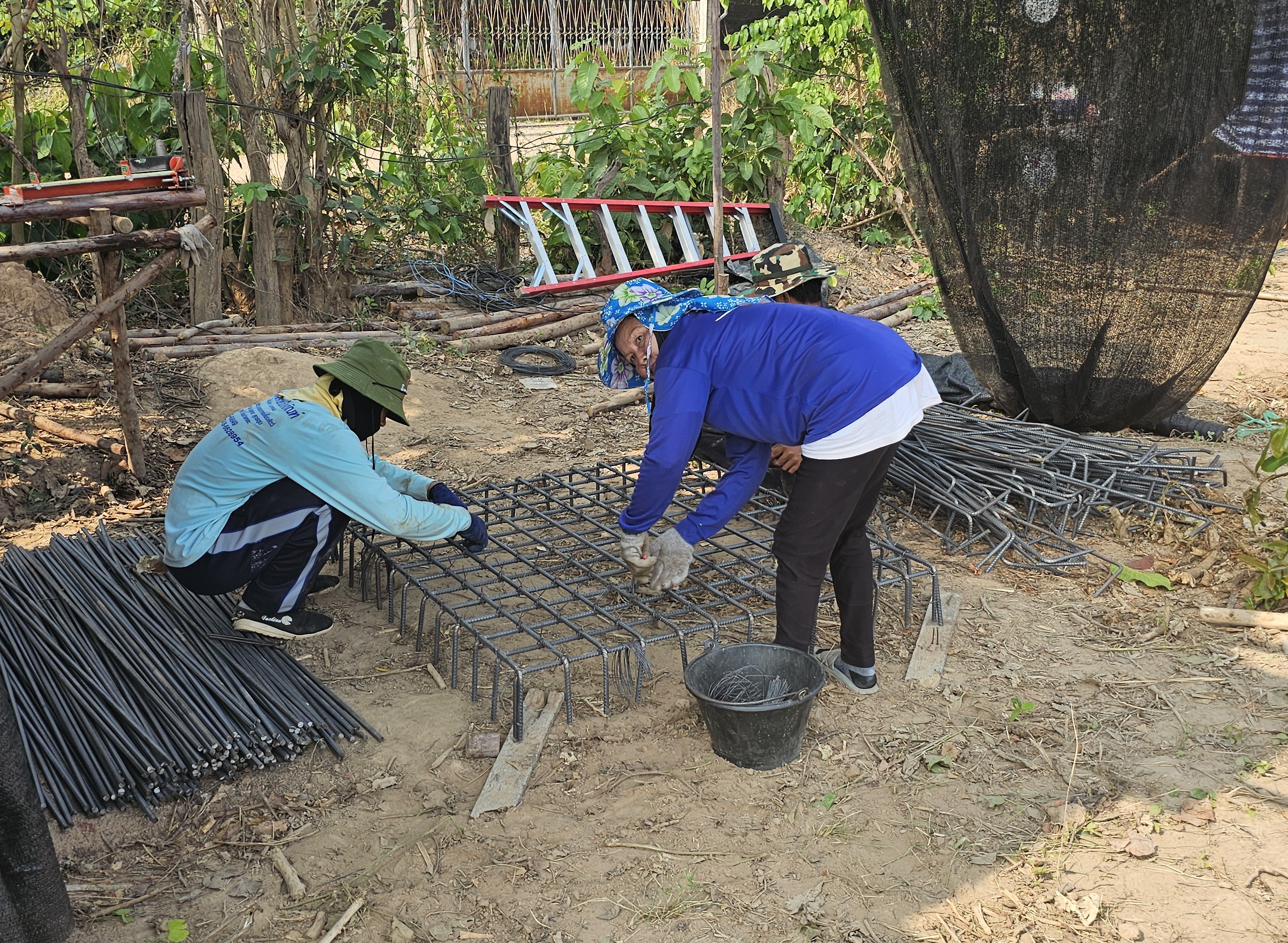
While the backhoe was busy at work, the construction team were busy making the steel foundation footing rebar cages and column starter bars. The steel was delivered to site in long pieces, 12 mm thick & with the assistance of cutting saws and a special bending tool, they shape the products by hand on site.
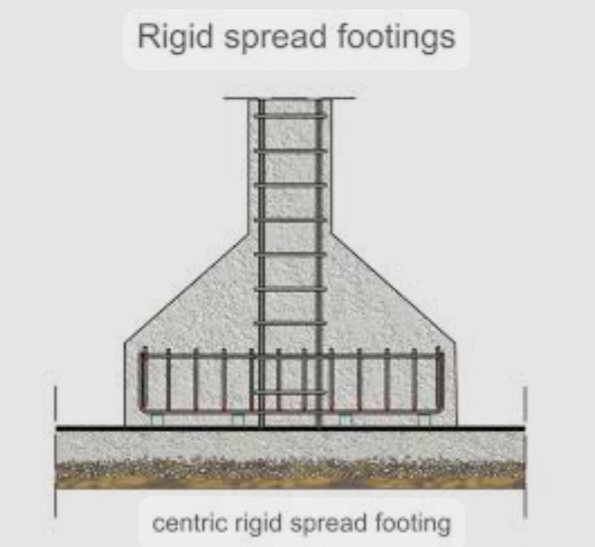
According to our builder this is a less expensive option than purchasing them pre-made from the big construction supply companies. It is a very labor intensive job & made more challenging due to the summer heat the team must endure.
Youtube Channel – Additional to documenting the build on my website, I have created a channel to put together videos of the building works over the expected 7 months. Here is a link to the Week 1 Video.
Week 2 Activity – It is anticipated now that the foundation pits are ready the next step is putting in sand to level out the bottom of the footing pits in preparation of pouring a concrete base for each foundation pit. This solid concrete base allows for a firm footing for setting the foundation rebar cages on rebar chairs & upright columns.
Once the cement on the bottom is cured there will be forms made around the base & will also have concrete poured into the forms to cover the rebar cages & columns. Once these are cured after several days, then the foundation pits will be back filled with the excavated dirt. The builder tells me this will be wetted and compacted as well to avoid settling around the columns that will be under the house itself. More of this anticipated activity will be covered in the next update.
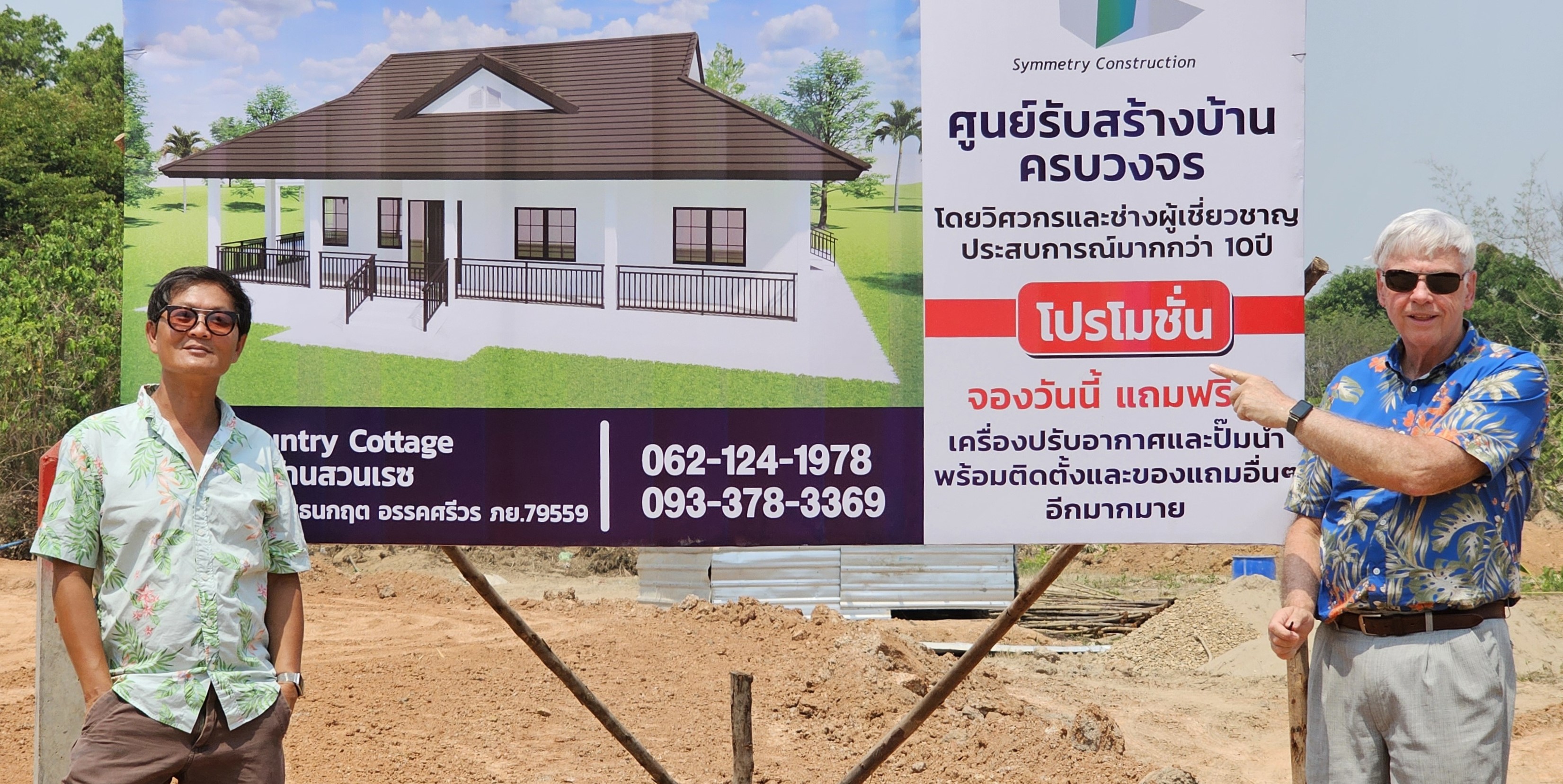
We have decided to give our new home a name – we felt it reflected us & our future here.

That’s it for the week 1 build – I hope to publish a weekly or bi-weekly update depending on the activity over the course of the construction period – set for 7 months – with occupancy planned for 27 November 2024.
Cheers
 Retirement Reimagined: Thailand; My uniquely travelled path